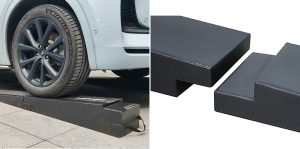
How Heavy Duty Ramps Improve Warehouse Accessibility

Warehouse operations depend on the efficient movement of goods, vehicles, machinery, and material-handling equipment. Differences in floor levels, loading areas, docks, and entrances can create obstacles that slow down daily operations.

By improving access between loading zones, storage areas, and workspaces, heavy duty ramps can contribute to more efficient and flexible warehouse operations.

Heavy Duty Ramps for Loading and Unloading Operations

Loading and unloading are among the most important activities in warehouse logistics.

Truck-to-Warehouse Access

A heavy duty ramp can provide a transition between a truck, trailer, container, and warehouse surface where appropriate.

Container Loading

Container ramps can help workers and equipment move goods into and out of shipping containers.

Supporting Different Vehicle Heights

Warehouses may receive trucks and trailers with different loading heights. Selecting an appropriate ramp system can improve access across these variations.

Improving Warehouse Safety with Heavy Duty Ramps

Accessibility and safety are closely connected.

Stable Ramp Construction

A heavy duty ramp should have sufficient structural strength and a stable connection to the surfaces it serves.

Adequate Traction

A suitable ramp surface can help reduce the risk of slipping, particularly in environments where moisture, dust, or debris may be present.

Appropriate Load Capacity

Load capacity is one of the most important specifications when selecting a heavy duty ramp.

The total load should account for:

  • Equipment weight
  • Cargo weight
  • Load distribution
  • Dynamic forces during movement

Using a ramp beyond its rated capacity can create serious safety risks.

Heavy Duty Ramps and Material Handling Efficiency

Efficient material handling helps warehouses reduce unnecessary movement and labor.

Reducing Manual Lifting

Ramps can allow wheeled equipment to transport materials across level changes instead of requiring workers to manually lift heavy items.

Supporting Faster Equipment Movement

When access routes are properly designed, equipment can move more directly between operational areas.

Improving Workflow

Better accessibility can help connect key warehouse processes, including:

Receiving → Storage → Picking → Packing → Shipping

This can contribute to a smoother material flow.

Applications of Heavy Duty Ramps in Warehouses

Distribution Centers

Large distribution centers can use heavy duty ramps to support frequent loading and unloading operations.

Manufacturing Warehouses

Manufacturing facilities may use ramps to move machinery, components, and finished products between production and storage areas.

E-Commerce Fulfillment Centers

Fast-moving fulfillment operations can benefit from efficient movement between receiving, storage, packing, and shipping zones.

Industrial Storage Facilities

Heavy duty ramps can provide access for industrial equipment and large materials in demanding warehouse environments.

Heavy Duty Ramps and Modern Warehouse Efficiency

Modern warehouses increasingly focus on automation, flexible layouts, and faster material movement. Accessibility infrastructure plays an important supporting role in these systems.

Heavy duty ramps can complement:

  • Forklift operations
  • Pallet handling
  • Warehouse carts
  • Loading equipment
  • Mobile machinery
  • Flexible warehouse layouts

By improving physical access between different operating zones, ramps can help warehouses make better use of their available space.

Heavy duty ramps can significantly improve warehouse accessibility by creating stable transitions between different heights, loading areas, containers, vehicles, and warehouse floors. They can simplify equipment movement, support material handling, and improve the efficiency of loading and unloading operations.

Silicone Couplers for Racing and Motorsport Applications

Racing and motorsport vehicles operate under demanding conditions. High engine temperatures, increased boost pressure, vibration, and frequent acceleration cycles place significant stress on intake and charge-air systems.

In these environments, silicone couplers provide flexible and durable connections between hoses, pipes, intercoolers, turbochargers, and other engine components. Their resistance to heat and environmental stress makes them suitable for many high-performance automotive applications.

Applications of Silicone Couplers in Motorsport

Turbocharger Systems

Turbocharged engines require reliable connections between turbocharger outlets, charge pipes, intercoolers, and intake components.

Silicone couplers can provide flexible connections in these systems while accommodating elevated temperatures and pressure conditions.

Intercooler Systems

Intercooler piping transports compressed air between the turbocharger and engine intake.

A properly selected silicone coupler can help connect different sections of intercooler piping and accommodate component movement.

Air Intake Systems

Performance intake systems often use customized piping layouts. Silicone couplers provide convenient connection points between pipes, filters, throttle bodies, and other components.

Cooling Systems

Silicone hose couplers can also be used in certain engine cooling applications where temperature resistance and flexibility are required.

Key Benefits of Silicone Couplers for Racing

High-Temperature Resistance

Silicone materials can maintain useful flexibility and performance across a broad temperature range, making them suitable for demanding engine environments.

Flexibility

The flexible construction allows couplers to accommodate small variations in alignment and movement between connected components.

Durability

Reinforced silicone couplers can provide increased resistance to pressure and mechanical stress compared with basic single-layer constructions.

Reliable Connections

When paired with appropriate clamps and correctly sized tubing, silicone couplers can provide secure connections for high-performance automotive systems.

Customization

Different diameters, lengths, shapes, and reinforcement configurations can be selected according to vehicle and system requirements.

Reinforced Silicone Couplers for Motorsport

High-performance applications may require couplers with multiple reinforcement layers.

Multi-Ply Construction

Multiple layers can improve the mechanical strength of the coupler while maintaining flexibility.

Pressure Resistance

Reinforcement can help the coupler withstand higher internal pressure, depending on the specific construction and material formulation.

Improved Shape Stability

Reinforced designs can help reduce excessive deformation under demanding operating conditions.

Thermal Durability

Appropriate silicone formulations and reinforcement materials can help maintain performance during repeated temperature cycling.

Maintenance and Inspection

Motorsport vehicles require frequent inspection because components are exposed to severe operating conditions.

Check silicone couplers for:

  • Cracks
  • Cuts
  • Surface deterioration
  • Excessive deformation
  • Oil contamination
  • Loose clamps
  • Signs of rubbing or abrasion
  • Connection leaks

Replacing a damaged coupler before failure can help prevent unnecessary downtime and potential engine performance issues.

Performance Considerations for Racing Teams

When selecting silicone couplers, racing teams should consider the complete system rather than evaluating the coupler as an isolated component.

Important factors include:

  • Engine power output
  • Turbocharger configuration
  • Boost pressure
  • Operating temperature
  • Pipe diameter
  • Engine movement
  • Available installation space
  • Clamp type
  • Expected service conditions

A properly matched coupler can contribute to reliable airflow and stable operation of the intake or charge-air system.

Silicone couplers are important connection components in many racing and motorsport applications. Their combination of flexibility, temperature resistance, durability, and customizable construction makes them suitable for turbocharger, intercooler, intake, and selected cooling systems.

For high-performance vehicles, selecting the correct coupler requires careful consideration of diameter, temperature, pressure, reinforcement, installation conditions, and clamp compatibility. With the right design and installation, silicone couplers can provide reliable connections under demanding motorsport operating conditions.

Angles Adapters for Pneumatic Tube and Hose Routing

Efficient tube and hose routing is essential for reliable pneumatic system performance. In compact machinery and automated equipment, pneumatic tubes and hoses often need to change direction to avoid interference with moving components, reduce installation space, and maintain an organized layout.

Angle adapters for pneumatic tube and hose routing provide a practical solution by allowing connections to be redirected at specific angles. They can simplify installation while helping pneumatic systems achieve cleaner and more flexible routing configurations.

Why Use Angle Adapters in Pneumatic Systems?

Improved Routing Flexibility

Pneumatic equipment frequently contains multiple valves, cylinders, actuators, and control components in a limited space. Angle adapters allow tubes and hoses to change direction without requiring excessive bending.

Space-Saving Installation

A properly selected angled connection can reduce the space required for pneumatic tubing. This is particularly useful in compact automation equipment where installation space is limited.

Reduced Hose Bending

Excessive bending can place mechanical stress on pneumatic hoses and tubes. Angle adapters provide a controlled change in direction, helping create more consistent routing paths.

Cleaner System Layout

Organized tubing improves the overall appearance and accessibility of pneumatic equipment. A well-planned routing system can also make inspection and maintenance easier.

Common Applications

Factory Automation

Automated production equipment often contains numerous pneumatic components installed close together. Angle adapters can help route tubing between valves, cylinders, and control units without interfering with other components.

Pneumatic Machinery

Machinery with confined internal spaces can benefit from angled connections. They allow designers to position hoses and tubes according to the available equipment layout.

Robotic Systems

Robotic equipment may require flexible pneumatic routing around moving assemblies. Properly positioned angle adapters can help maintain organized connections while accommodating changes in direction.

Assembly Equipment

Pneumatic assembly machines frequently use multiple actuators and control valves. Angle adapters can simplify tube routing between these components and help reduce installation complexity.

Key Factors When Selecting Angle Adapters

Connection Size

The adapter should match the outside diameter or connection specification of the pneumatic tube or hose. An incorrect size can compromise connection reliability.

Operating Pressure

The adapter must be rated for the pneumatic system’s operating pressure. Applications with higher pressure requirements may require specially designed metal fittings or reinforced connection components.

Temperature

Operating temperature can affect material performance. The selected adapter should be compatible with both ambient conditions and the temperature of the compressed air or surrounding equipment.

Material Compatibility

Material selection should consider the working environment, exposure to chemicals, moisture, vibration, and other operating conditions.

Connection Type

Push-to-connect, threaded, compression, and other connection styles are available for different pneumatic systems. Compatibility with existing components is essential for reliable installation.

Angle adapters for pneumatic tube and hose routing provide a practical way to manage directional changes in industrial pneumatic systems. By improving routing flexibility, reducing excessive hose bending, saving installation space, and supporting cleaner equipment layouts, these components can simplify pneumatic installation and maintenance.

When selecting an angle adapter, manufacturers and engineers should consider connection size, pressure rating, temperature, material compatibility, and connection type. With proper selection and installation, angle adapters can contribute to efficient and dependable pneumatic system performance.

How Trailer Ramp-8 Degree Approach Angle Improve Transportation Logistics

Efficient loading and unloading are essential to modern transportation logistics. Whether a fleet is transporting vehicles, construction machinery, industrial equipment, or other mobile assets, the loading process can directly affect turnaround time, operational efficiency, and equipment safety.

The design of the trailer ramp is particularly important. A trailer ramp with an 8-degree approach angle provides a relatively gradual transition between the ground and trailer deck, making it suitable for applications where ground clearance and smooth loading are important.

By reducing the steepness of the loading transition, an 8-degree approach angle can help transportation operators improve loading efficiency and accommodate a wider range of vehicles and equipment.

Benefits for Vehicle Transportation Fleets

Vehicle transport companies often need to load and unload multiple vehicles during daily operations.

A trailer ramp 8-degree approach angle can provide several logistical advantages:

  • Easier vehicle access
  • Improved compatibility with low-clearance vehicles
  • Smoother loading transitions
  • More efficient loading procedures
  • Reduced dependence on additional loading equipment

These benefits can be especially valuable for fleets that regularly transport a diverse range of vehicles.

Applications for Heavy Equipment Transportation

Trailer ramps are also widely used to load mobile machinery and equipment.

Construction and industrial equipment may include:

  • Compact excavators
  • Skid-steer loaders
  • Forklifts
  • Small tractors
  • Utility machinery
  • Maintenance equipment

For wheeled or tracked equipment, ramp geometry should be selected according to equipment dimensions, weight, ground clearance, tire or track configuration, and trailer capacity.

An appropriate low-angle ramp can help create a smoother transition during equipment loading.

Reducing Challenges for Low-Clearance Loads

One of the most important applications of an 8-degree approach angle is low-clearance vehicle transportation.

Vehicles with long wheelbases, low front overhangs, or limited ground clearance may require careful ramp selection.

A gradual ramp angle can help reduce abrupt changes in elevation and provide a smoother path onto the trailer.

Operators should still verify the complete loading geometry before use, including:

  • Vehicle approach angle
  • Ramp angle
  • Trailer deck height
  • Ramp length
  • Ground conditions
  • Vehicle wheelbase
  • Front and rear overhang

Trailer Ramp Design and Operational Safety

Ramp angle is only one factor affecting safe loading.

A transportation system should also consider:

  • Trailer load capacity
  • Ramp load rating
  • Ramp surface traction
  • Ramp width
  • Trailer stability
  • Wheel or track positioning
  • Securement procedures
  • Ground conditions
  • Operator training

An 8-degree approach angle can support smoother access, but it should be combined with appropriate loading procedures and equipment specifications.

A trailer ramp with an 8-degree approach angle can provide important logistical benefits for vehicle and equipment transportation. Its relatively gradual loading transition can make it particularly useful for low-clearance vehicles and applications that require smooth access to the trailer deck.

By combining an appropriate ramp angle with sufficient capacity, traction, width, structural strength, and proper loading procedures, transportation operators can improve loading efficiency and reduce operational challenges.

EGR Heat Insulation in Hybrid Vehicle Powertrains

Hybrid vehicles combine an internal combustion engine with electric propulsion to improve fuel efficiency and reduce emissions. This combination creates a complex thermal environment in which exhaust gas recirculation (EGR) systems, exhaust components, batteries, electronics, and other powertrain components must operate within appropriate temperature ranges.

EGR heat insulation can help manage heat generated by high-temperature exhaust gases and reduce unwanted heat transfer to surrounding components. In hybrid powertrains, effective thermal management becomes particularly important because the engine may operate under changing load conditions and may start and stop more frequently than in conventional vehicles.

By using suitable insulation and heat-shielding solutions, manufacturers can better control heat distribution around the EGR system while supporting component durability and overall powertrain efficiency.

1. Controlling Heat Around EGR Components

The primary function of EGR heat insulation is to manage thermal energy around the EGR system.

Insulation can reduce direct heat transfer from hot EGR and exhaust components to nearby parts. This can help create a more controlled thermal environment within the engine compartment.

Depending on the design, insulation may help:

  • Reduce radiant heat transfer
  • Limit conductive heat transfer
  • Protect adjacent components
  • Maintain more stable local temperatures

2. Protecting Nearby Powertrain Components

Hybrid powertrains contain numerous temperature-sensitive components.

These may include:

  • Electrical wiring
  • Sensors
  • Electronic control units
  • Plastic components
  • Rubber hoses
  • Fuel-system components
  • Intake components
  • Power electronics

Excessive localized heat can accelerate material aging or affect component performance.

EGR heat insulation can act as a thermal barrier between high-temperature exhaust components and sensitive neighboring parts.

3. Supporting EGR System Thermal Stability

Temperature has an important influence on EGR operation.

An EGR system needs to operate within its intended thermal conditions to support consistent exhaust gas management.

Proper insulation can help control unwanted heat exchange and contribute to a more predictable thermal environment.

However, insulation should not simply block all heat. Engineers must consider the desired operating temperature of the EGR system and surrounding components when designing the thermal solution.

4. Supporting Emissions Control

EGR technology is commonly used to reduce nitrogen oxide (NOx) emissions by recirculating exhaust gases and influencing combustion conditions.

In hybrid vehicles, emissions control can become more challenging because the engine frequently changes operating states.

Thermal management can support stable EGR operation by helping control temperatures throughout the system.

EGR heat insulation therefore forms part of a broader thermal strategy that may include:

  • EGR cooling
  • Exhaust heat management
  • Engine thermal control
  • Catalyst temperature management
  • Air intake temperature management

5. Reducing Unwanted Underhood Heat

Engine compartments in hybrid vehicles can contain many components within relatively limited spaces.

High-temperature exhaust and EGR components can contribute to localized underhood heat.

Heat insulation can help reduce the amount of thermal energy transferred toward sensitive areas.

This can be particularly useful where EGR components are positioned near:

  • Intake systems
  • Electrical harnesses
  • Sensors
  • Battery-related components
  • Plastic assemblies
  • Electronic modules

6. Supporting Component Durability

Repeated exposure to high temperatures can accelerate the aging of certain materials.

Hybrid vehicles can experience repeated thermal cycles as the combustion engine starts and stops.

Over time, these cycles may place additional thermal stress on surrounding components.

Proper EGR heat insulation can help reduce unnecessary thermal exposure and potentially contribute to longer component service life.

7. EGR Heat Insulation and Hybrid Engine Operation

Hybrid powertrains can operate the combustion engine differently from traditional vehicles.

The electric motor can provide additional propulsion during certain operating conditions, while the engine may be activated when additional power or charging capacity is required.

As a result, the EGR system may experience changing:

  • Exhaust temperatures
  • Gas flow rates
  • Engine loads
  • Operating durations
  • Start-stop cycles

Thermal insulation must therefore be designed to accommodate dynamic operating conditions rather than a single steady-state temperature.

Materials Used for EGR Heat Insulation

Material selection is critical for automotive thermal insulation.

Potential material characteristics include:

  • High-temperature resistance
  • Low thermal conductivity
  • Thermal cycling resistance
  • Mechanical durability
  • Chemical resistance
  • Low weight
  • Flexible or formable construction

Depending on the application, solutions may incorporate ceramic fibers, mineral-based insulation, metal heat shields, coated fabrics, or other high-temperature materials.

The final material selection should be based on the specific temperature, space, vibration, and durability requirements of the vehicle system.

Benefits of Effective EGR Heat Insulation

A properly designed EGR insulation system can contribute to:

  • Better underhood heat management
  • Protection of temperature-sensitive components
  • More stable EGR thermal conditions
  • Improved thermal system integration
  • Potentially longer component service life
  • Better control of unwanted heat transfer
  • Support for modern emissions-control strategies

These benefits depend on the specific vehicle architecture and the quality of the overall thermal management design.

EGR heat insulation plays an important role in managing high-temperature exhaust environments within hybrid vehicle powertrains. By reducing unwanted heat transfer and protecting nearby components, suitable insulation and heat-shielding solutions can support reliable EGR operation and broader powertrain thermal management.

As hybrid vehicles continue to evolve, EGR systems must operate within increasingly complex thermal environments. Lightweight, durable, and application-specific insulation technologies can help manufacturers address these challenges while supporting emissions control, component protection, and long-term powertrain reliability.

Turbocharger Heat Shields and Intake Air Temperature Control

Turbocharged engines generate significant heat because the turbocharger operates in close proximity to the exhaust system. Without effective thermal management, radiant and convective heat can raise temperatures throughout the engine compartment.

One area that can be particularly important is intake air temperature. Higher intake temperatures can reduce air density and may affect the consistency of engine performance.

A turbocharger heat shield helps manage this thermal environment by limiting the transfer of heat from the turbocharger and exhaust components to nearby engine components and intake systems.

How Turbocharger Heat Shields Help Control Intake Air Temperature

The relationship between a turbocharger heat shield and intake air temperature can be understood through heat management.

Step 1: The turbocharger generates heat

Exhaust gases drive the turbine, exposing the turbocharger housing and surrounding components to high temperatures.

Step 2: Heat radiates into the engine bay

Without adequate shielding, radiant heat can reach intake pipes, air filters, intercooler piping, wiring, hoses, and other components.

Step 3: The heat shield blocks or reflects radiant heat

A properly designed shield creates a thermal barrier between the hot turbocharger and temperature-sensitive components.

Step 4: Nearby component temperatures can be reduced

By limiting direct radiant heat exposure, the shield can help maintain a more controlled thermal environment around the intake system.

Step 5: Intake air temperature management becomes easier

A heat shield works together with the intercooler, ducting, airflow management, and other thermal-control components to reduce unnecessary heat exposure.

Turbocharger Heat Shields and Heat Soak

Heat soak occurs when surrounding components absorb heat during prolonged engine operation.

For example, after extended driving or high-load operation, engine bay components may remain hot even when airflow conditions change.

Heat soak can affect:

  • Intake piping
  • Air filters
  • Sensors
  • Wiring
  • Hoses
  • Plastic components
  • Nearby engine accessories

A turbocharger heat shield can reduce the amount of radiant heat reaching these components.

However, it should be viewed as one part of a complete thermal management strategy, rather than a standalone solution for intake air temperature control.

Importance of Proper Heat Shield Placement

Even a high-quality heat shield may provide limited benefits if it is positioned incorrectly.

The shield should be placed between the major heat source and the components that require protection.

For intake temperature management, special attention should be paid to:

  • Intake pipe routing
  • Air filter location
  • Turbocharger outlet area
  • Intercooler piping
  • Exhaust manifold position
  • Engine compartment airflow

The objective is to minimize direct exposure to high-temperature surfaces while maintaining sufficient airflow around the protected components.

Materials Used for Turbocharger Heat Shields

Stainless Steel

Stainless steel is widely used because it offers good heat resistance, durability, and corrosion resistance.

Titanium

Titanium can provide high-temperature performance with relatively low weight, making it attractive for performance applications.

Aluminum

Aluminum is lightweight and can provide useful reflective thermal protection, although its temperature capability must be considered for specific applications.

Ceramic-Based Materials

Ceramic materials can offer excellent thermal resistance and insulation characteristics for demanding applications.

The appropriate material depends on the turbocharger temperature, available installation space, weight requirements, and expected operating conditions.

How to Improve Intake Air Temperature Management

A turbocharger heat shield should generally be integrated with other thermal-management strategies.

Use an Appropriate Intercooler

An appropriately sized intercooler can help reduce compressed intake air temperature.

Optimize Intake Routing

Keep intake components away from major exhaust and turbocharger heat sources whenever practical.

Improve Engine Bay Airflow

Effective airflow can help remove accumulated heat from the engine compartment.

Use Heat-Reflective Materials

Reflective surfaces can reduce radiant heat absorption.

Protect Sensitive Components

Additional thermal protection can be applied to specific hoses, wiring, sensors, and intake components where necessary.

Together, these measures can provide a more comprehensive thermal management solution.

Turbocharger Heat Shields for Performance Vehicles

Performance and motorsport applications can place particularly high thermal demands on turbocharged engines.

High boost levels, extended high-load operation, and elevated exhaust temperatures can increase the importance of thermal management.

Turbocharger heat shields can help protect nearby components and maintain a more controlled engine-bay environment.

Potential applications include:

  • Performance street cars
  • Track vehicles
  • Racing engines
  • High-output turbocharged engines
  • Modified vehicles
  • Motorsport applications

The exact thermal requirements vary significantly depending on engine design and operating conditions.

Turbocharger heat shields play an important role in managing heat around turbocharged engines. By reducing direct radiant heat transfer from turbochargers and exhaust components, they can help limit unnecessary heat exposure to intake systems and other temperature-sensitive components.

However, effective intake air temperature control requires a complete thermal-management approach. Turbocharger heat shields work best when combined with suitable intercooling, optimized intake routing, sufficient engine-bay airflow, and appropriate thermal insulation.

For high-performance and high-load applications, selecting the right heat shield material, coverage, placement, and design can help create a more controlled thermal environment and support consistent engine operation.

Improving Jobsite Efficiency with Durable Trailer Ramps

In construction, agriculture, landscaping, and industrial operations, moving equipment quickly and safely is essential to maintaining productivity. Every minute spent loading or unloading machinery affects project timelines, labor costs, and overall operational efficiency. A durable trailer ramp provides a dependable solution by simplifying equipment transport while improving workplace safety.

Whether transporting mini excavators, skid steers, tractors, forklifts, or utility vehicles, high-quality trailer ramps help businesses maximize uptime and reduce unnecessary delays.

Key Benefits of Durable Trailer Ramps

Faster Equipment Loading

Efficient loading reduces idle time between job locations.

Durable trailer ramps enable operators to:

  • Load equipment quickly
  • Minimize waiting time
  • Improve fleet utilization
  • Increase daily productivity

The result is more time spent completing projects instead of preparing for transport.

Enhanced Workplace Safety

Loading heavy machinery carries inherent risks.

Well-designed trailer ramps improve safety through features such as:

  • Anti-slip traction surfaces
  • Reinforced structural supports
  • Secure attachment systems
  • Stable loading angles
  • High-strength construction materials

These features help reduce the likelihood of slips, equipment instability, and loading accidents.

Increased Equipment Protection

Poor-quality ramps can flex excessively or fail under heavy loads.

Durable ramps provide stable support for:

  • Excavators
  • Skid steers
  • Tractors
  • Forklifts
  • Lawn maintenance equipment
  • Compact loaders

A stable loading platform reduces stress on both the equipment and the trailer.

Lower Maintenance Costs

High-quality trailer ramps are engineered for long-term use.

Advantages include:

  • Wear-resistant surfaces
  • Corrosion-resistant finishes
  • Strong welded joints
  • Minimal structural deformation
  • Reduced repair frequency

This translates into lower ownership costs over the product’s lifespan.

Industries That Benefit from Trailer Ramps

Construction

Construction companies regularly transport machinery between projects.

Common equipment includes:

  • Mini excavators
  • Skid steer loaders
  • Compact track loaders
  • Rollers
  • Concrete equipment

Durable trailer ramps speed up equipment relocation while improving site safety.

Agriculture

Farm operations often require transporting machinery between fields.

Trailer ramps simplify loading of:

  • Tractors
  • Utility vehicles (UTVs)
  • All-terrain vehicles (ATVs)
  • Hay equipment
  • Compact harvesters

Reliable ramps help farmers save time during busy planting and harvesting seasons.

Landscaping

Landscaping contractors frequently move equipment between residential and commercial properties.

Typical equipment includes:

  • Ride-on mowers
  • Compact loaders
  • Utility carts
  • Stump grinders
  • Small excavators

Portable trailer ramps support efficient daily operations.

Warehousing and Logistics

Distribution centers use trailer ramps for loading mobile equipment such as:

  • Forklifts
  • Pallet movers
  • Electric carts
  • Material handling equipment

Efficient loading improves workflow and reduces transportation delays.

Equipment Rental Companies

Rental businesses rely on quick equipment turnover.

Durable trailer ramps enable:

  • Faster customer pickups
  • Efficient equipment returns
  • Reduced loading damage
  • Improved fleet availability

Choosing the Right Trailer Ramp

Selecting the correct trailer ramp depends on several important factors.

Load Capacity

Always choose a ramp with a rated capacity that exceeds the combined operating weight of the equipment and any attachments.

Ramp Length

Longer ramps provide:

  • Lower loading angles
  • Improved stability
  • Easier operation for low-clearance equipment
  • Reduced risk of undercarriage contact

Ramp Material

Steel Trailer Ramps

Benefits include:

  • Maximum strength
  • Excellent durability
  • High load capacities
  • Suitable for heavy machinery

Aluminum Trailer Ramps

Advantages include:

  • Lightweight construction
  • Corrosion resistance
  • Easy handling
  • Lower transportation weight

The ideal material depends on equipment weight, frequency of use, and operating environment.

Surface Design

A quality trailer ramp should include:

  • Serrated traction surfaces
  • Expanded metal decking
  • Raised grip patterns
  • Anti-slip finishes

These features improve tire and track grip under wet or muddy conditions.

A durable trailer ramp is far more than a loading accessory—it is a valuable investment in jobsite productivity, equipment protection, and worker safety. By enabling faster loading, reducing downtime, and supporting the safe transport of heavy machinery, trailer ramps help construction companies, farmers, landscapers, logistics providers, and equipment rental businesses operate more efficiently.

Selecting the right ramp based on load capacity, material, length, and surface design, combined with regular maintenance and proper loading practices, ensures dependable performance for years to come. As equipment transport demands continue to grow, durable trailer ramps will remain an essential tool for maximizing operational efficiency.

Titanium Elbows for Shipbuilding and Marine Fluid Systems

Marine vessels and offshore structures operate in some of the most challenging environments, where piping systems must withstand seawater corrosion, pressure variations, temperature changes, and continuous mechanical stress. The reliability of fluid transportation systems directly affects vessel safety, efficiency, and operational lifespan.

Among various piping components, titanium elbows have become an advanced solution for shipbuilding and marine applications due to their excellent corrosion resistance, high strength-to-weight ratio, and outstanding durability. These specialized pipe fittings help maintain efficient fluid flow while reducing maintenance requirements in demanding marine environments.

Lightweight Strength Benefits in Marine Systems

Weight reduction is a major consideration in ship design. Lower vessel weight can contribute to improved fuel efficiency, increased payload capacity, and better overall performance.

Titanium elbows offer an excellent strength-to-weight ratio compared with many traditional metal fittings.

Advantages include:

  • Reduced piping system weight
  • Easier installation and handling
  • Lower structural load requirements
  • Improved vessel efficiency

This makes titanium pipe fittings especially valuable for:

  • Naval vessels
  • High-speed ships
  • Offshore platforms
  • Luxury yachts
  • Research vessels

Applications of Titanium Elbows in Marine Fluid Systems

Titanium elbows are widely used in various shipboard piping applications.

Seawater Cooling Systems

Marine engines and equipment rely on seawater cooling systems to maintain proper operating temperatures.

Titanium elbows help transport cooling fluids while resisting seawater corrosion and scaling.

Applications include:

  • Engine cooling pipelines
  • Heat exchanger connections
  • Cooling water circulation systems

Desalination and Water Treatment Systems

Many vessels require freshwater generation systems using seawater desalination technology.

Titanium elbows provide reliable connections in:

  • Reverse osmosis systems
  • Water purification equipment
  • Marine water processing units

Their corrosion resistance ensures stable operation in saltwater conditions.

Offshore Oil and Gas Systems

Offshore platforms require durable piping components capable of handling harsh environments.

Titanium elbows are used in:

  • Seawater injection systems
  • Chemical processing pipelines
  • Offshore cooling systems
  • Fluid transfer equipment

Ship Hydraulic and Fuel Systems

Precision fluid control is essential for modern vessels.

Titanium pipe fittings support:

  • Hydraulic piping networks
  • Fuel transportation systems
  • High-performance marine equipment


Manufacturing Quality Requirements for Marine Titanium Elbows

Marine piping systems require precision-engineered components to ensure safe operation.

Important manufacturing factors include:

Accurate Dimensions

Precise elbow dimensions help ensure:

  • Proper pipe alignment
  • Smooth fluid flow
  • Reduced installation issues

High-Quality Welding Performance

Titanium elbows often use butt-weld connections, requiring advanced welding techniques to maintain strength and corrosion resistance.

Surface Finishing

Proper surface treatment improves:

  • Corrosion protection
  • Fluid flow efficiency
  • Component durability

Improving Marine System Efficiency with Titanium Elbows

Efficient piping design is essential for reducing energy consumption and improving vessel performance.

Titanium elbows contribute by:

  • Maintaining smooth fluid direction changes
  • Reducing pressure losses
  • Preventing corrosion-related restrictions
  • Extending maintenance intervals

For large marine systems, these advantages can significantly improve operational efficiency.

Titanium elbows play an important role in modern shipbuilding and marine fluid systems by providing exceptional corrosion resistance, lightweight strength, and long-term durability.

From seawater cooling systems to offshore engineering applications, titanium pipe fittings help ensure reliable fluid transportation under extreme marine conditions. As vessels become more advanced and efficient, titanium elbows will continue to support safer, more durable, and high-performance marine piping solutions.

Trailer Ramps for Hay Equipment and Farm Implements

Efficient transportation is essential to modern farming operations. Whether moving hay balers between fields, transporting rotary cutters for seasonal maintenance, or delivering compact tractors to different job sites, reliable loading equipment is critical. Trailer ramps provide a safe, efficient, and durable solution for loading and unloading a wide range of hay equipment and farm implements.

Designed to handle heavy loads while providing stable traction, trailer ramps help farmers reduce loading time, protect valuable machinery, and improve workplace safety.

Benefits of Using Trailer Ramps for Farm Equipment

Improved Loading Safety

A properly designed trailer ramp provides stable traction and reliable support throughout the loading process, reducing the likelihood of slipping or shifting.

Safety features often include:

  • Anti-slip traction surfaces
  • Reinforced structural designs
  • Secure attachment points
  • Wide loading platforms
  • Stable loading angles

These features help operators maintain better control over heavy equipment.

Increased Productivity

Fast equipment loading allows operators to spend less time preparing for transport and more time working in the field.

Efficient loading also helps reduce labor requirements during busy farming seasons.

Protection for Valuable Machinery

Agricultural equipment represents a significant investment. Smooth loading surfaces help minimize impacts that may damage:

  • Tires
  • Hydraulic systems
  • Attachments
  • Frames
  • Axles
  • Suspension components

Protecting equipment during transport helps reduce repair costs and extends service life.

Greater Operational Flexibility

Portable trailer ramps allow equipment to be loaded in various locations, including:

  • Farms
  • Equipment dealerships
  • Repair facilities
  • Equipment rental centers
  • Construction sites
  • Agricultural exhibitions

This flexibility supports a wide range of transportation needs.

Important Features to Look for in Trailer Ramps

High Load Capacity

Choose trailer ramps that comfortably support the combined weight of the equipment being transported. Selecting ramps with adequate capacity enhances both safety and durability.

Durable Construction

Heavy-duty trailer ramps are commonly manufactured from:

  • High-strength steel
  • Lightweight aluminum
  • Reinforced structural alloys

Each material offers different advantages depending on transport requirements, environmental conditions, and frequency of use.

Slip-Resistant Surface

Traction becomes especially important when loading equipment in muddy fields or after rainfall.

Common traction designs include:

  • Serrated rungs
  • Expanded metal surfaces
  • Perforated grip patterns
  • Raised traction bars

These surfaces help improve tire grip under challenging conditions.

Suitable Ramp Length

Ramp length directly affects loading angle.

Longer ramps generally provide:

  • Gentler loading angles
  • Improved equipment stability
  • Easier operation for low-clearance machinery
  • Reduced undercarriage contact

Selecting the correct length contributes to safer and smoother loading.

Easy Portability

Many agricultural operations benefit from portable ramps that can be quickly moved and stored.

Useful portability features include:

  • Carry handles
  • Folding designs
  • Lightweight construction
  • Compact storage dimensions

Applications Beyond Hay Equipment

Trailer ramps are valuable across many agricultural tasks.

Typical applications include:

  • Tractor transportation
  • Skid steer loading
  • Compact loader transport
  • Lawn maintenance equipment
  • Sprayer transportation
  • Utility trailer loading
  • Excavator transport
  • ATV and UTV loading

This versatility makes trailer ramps a practical investment for farms with diverse equipment fleets.

Maintaining Trailer Ramps for Long-Term Performance

Regular maintenance extends the lifespan of trailer ramps and supports safe operation.

Recommended maintenance includes:

  • Cleaning after use
  • Removing dirt and crop residue
  • Inspecting welds and structural components
  • Checking for bending or cracks
  • Lubricating moving parts on folding ramps
  • Touching up protective coatings when necessary
  • Storing ramps in a dry environment

Well-maintained ramps deliver reliable performance throughout multiple farming seasons.

Trailer ramps play an essential role in the safe and efficient transportation of hay equipment and farm implements. From balers and mowers to compact tractors and utility vehicles, the right ramp improves loading safety, protects valuable machinery, and enhances productivity across daily farming operations. By selecting trailer ramps with appropriate load capacity, durable construction, and reliable traction, agricultural professionals can streamline equipment transport while reducing downtime and maintenance costs. As farming technology continues to advance, high-quality trailer ramps remain a valuable investment for efficient and dependable agricultural logistics.

Improving Engine Efficiency in Commercial Vehicles with Intercooler Pipe Kits

Commercial vehicles operate under demanding conditions, often carrying heavy loads, covering long distances, and working for extended hours. In such environments, engine efficiency directly impacts fuel consumption, operating costs, vehicle reliability, and overall fleet profitability. One often-overlooked component that plays a significant role in engine performance is the intercooler pipe kit.

Designed to optimize airflow between the turbocharger, intercooler, and engine intake system, high-quality intercooler pipe kits help improve combustion efficiency, reduce power losses, and enhance engine durability.

Fuel Economy Improvements

Fuel expenses represent one of the largest operating costs for fleet operators.

More Efficient Combustion

When cooler, denser air reaches the combustion chamber, fuel burns more completely.

This can result in:

  • Improved fuel efficiency
  • Reduced fuel waste
  • Lower emissions
  • More consistent engine performance

Reduced Engine Load

An optimized intake system reduces the workload placed on the turbocharger and engine.

This allows the vehicle to maintain performance while consuming less fuel, particularly during:

  • Highway driving
  • Long-distance transportation
  • Heavy-duty hauling operations

Enhanced Engine Reliability

Commercial vehicles require maximum uptime to remain profitable.

Reduced Stress on Turbochargers

Boost leaks and airflow restrictions force turbochargers to work harder to achieve target boost levels.

Quality intercooler pipe kits help:

  • Stabilize boost pressure
  • Reduce turbocharger strain
  • Improve system efficiency
  • Extend turbocharger lifespan

Lower Operating Temperatures

Excessive heat is one of the leading causes of engine wear.

By improving airflow and cooling efficiency, upgraded piping systems contribute to:

  • Reduced thermal stress
  • Longer engine life
  • Improved component durability
  • Better overall reliability

Benefits for Fleet Management

Fleet operators are constantly looking for ways to lower operating costs and improve vehicle performance.

Reduced Maintenance Costs

Durable intercooler pipe kits are often manufactured from:

  • Mandrel-bent aluminum
  • Corrosion-resistant materials
  • Heavy-duty silicone connectors

These components can outperform factory systems in demanding commercial applications.

Increased Vehicle Availability

Fewer intake system failures mean:

  • Less downtime
  • Reduced repair expenses
  • Improved delivery schedules
  • Higher fleet productivity

Better Return on Investment

Although upgrading intercooler piping requires an initial investment, the long-term savings from improved fuel economy and reduced maintenance can provide a strong return on investment.

Applications in Commercial Vehicle Industries

Intercooler pipe kits are widely used across various sectors:

Long-Haul Trucking

Improved fuel efficiency helps reduce operating costs over thousands of miles.

Construction Equipment

Heavy-duty vehicles benefit from enhanced cooling and reliable power delivery.

Logistics and Distribution Fleets

Consistent engine performance supports delivery reliability and operational efficiency.

Agricultural Vehicles

Tractors and agricultural machinery often operate in harsh conditions where airflow efficiency is critical.

Mining and Industrial Transport

Heavy-load applications demand durable intake systems capable of handling extreme environments.

Intercooler pipe kits are an important component in optimizing the performance and efficiency of commercial vehicles. By improving airflow, reducing boost leaks, lowering intake temperatures, and supporting more efficient combustion, these systems help reduce fuel consumption while enhancing engine reliability.

For fleet operators, logistics companies, construction firms, and commercial vehicle owners, investing in high-quality intercooler pipe kits can deliver long-term benefits through lower operating costs, increased uptime, and improved overall vehicle performance. As engine technology continues to advance, efficient intercooler piping will remain a key factor in maximizing the productivity and profitability of commercial vehicle operations.