How Silicone Vacuum Tube Improves Industrial Vacuum Performance

Industrial vacuum systems are widely used in manufacturing, chemical processing, medical equipment, and laboratory environments. The efficiency and stability of these systems depend heavily on the quality of their tube materials.

Silicone vacuum tube has become a preferred solution due to its flexibility, durability, and resistance to extreme operating conditions.


Improving Vacuum Seal Integrity

One of the most important roles of silicone vacuum tube is maintaining a stable vacuum seal.

How it helps:

  • Forms tight connections with fittings and connectors
  • Reduces air leakage risk
  • Maintains consistent negative pressure levels

Unlike rigid or brittle tube materials, silicone can adapt to slight misalignments in connectors, ensuring a more reliable sealing performance in complex systems.


Enhancing Flexibility in Industrial Systems

Industrial vacuum systems often involve tight spaces, moving parts, and complex routing paths.

Advantages of silicone tube flexibility:

  • Easy installation in confined spaces
  • Reduced stress on connectors and joints
  • Ability to bend without cracking or collapsing
  • Suitable for dynamic or vibration-prone systems

This flexibility helps maintain uninterrupted vacuum flow and reduces mechanical failure risks.


High Temperature and Pressure Resistance

Industrial vacuum environments may involve high temperatures or fluctuating thermal conditions.

Silicone vacuum tube benefits:

  • Stable performance from low to high temperatures
  • Resistance to thermal deformation
  • Maintains elasticity under heat stress

This ensures that vacuum systems continue operating efficiently even in harsh industrial conditions such as production lines, heat treatment systems, or chemical processing units.


Chemical and Environmental Resistance

Silicone tube is known for its excellent resistance to environmental and chemical exposure.

Key protections include:

  • Resistance to moisture and humidity
  • Stability against oxidation and aging
  • Compatibility with many industrial gases
  • Reduced degradation in corrosive environments

This improves system longevity and reduces maintenance frequency.


Improving Flow Stability in Vacuum Systems

Consistent airflow is essential for maintaining vacuum efficiency.

Silicone vacuum tube helps by:

  • Providing smooth internal surfaces for airflow
  • Minimizing turbulence and resistance
  • Maintaining consistent diameter under pressure changes

This leads to improved vacuum pump efficiency and more stable system performance overall.


Reducing Maintenance and Downtime

System reliability directly impacts production efficiency.

Silicone tube advantages:

  • Longer service life compared to rubber or PVC alternatives
  • Reduced cracking and material fatigue
  • Fewer replacement cycles
  • Lower risk of unexpected system failures

As a result, industries benefit from reduced downtime and lower operational costs.


Applications in Industrial Vacuum Systems

Silicone vacuum tube is widely used across multiple industries:

Manufacturing:

  • Automated production lines
  • Material handling vacuum systems
  • Packaging equipment

Laboratory & Research:

  • Vacuum filtration systems
  • Chemical processing equipment

Medical Industry:

  • Suction and fluid control systems
  • Diagnostic vacuum devices

Electronics & Semiconductor:

  • Cleanroom vacuum systems
  • Precision component handling

Comparison with Traditional Tube Materials

Compared to rubber or PVC tube, silicone vacuum tube offers:

  • Better temperature resistance
  • Longer operational lifespan
  • Greater flexibility
  • Improved chemical stability
  • More reliable vacuum sealing

These advantages make it a preferred choice for high-performance industrial systems.


Silicone vacuum tube plays a crucial role in improving industrial vacuum system performance. Its combination of flexibility, thermal stability, chemical resistance, and sealing reliability makes it an essential component in modern industrial applications.

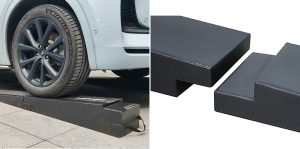
Space-Saving Garage Solutions with Multi-Level Car Storage Ramps

As urban living spaces become more compact, efficient garage design is no longer optional—it’s essential. One of the most effective innovations for maximizing limited parking space is the use of multi-level car storage ramps. These systems allow homeowners, commercial facilities, and automotive businesses to significantly increase vehicle capacity without expanding building footprints.


Key Benefits of Multi-Level Car Storage Ramps

1. Maximized Space Utilization

These systems use vertical stacking to increase usable parking area without expanding the garage footprint.

2. Improved Organization

Vehicles are neatly arranged in structured levels, reducing clutter and improving accessibility.

3. Enhanced Operational Efficiency

In commercial environments, ramps streamline vehicle movement, reducing time spent on parking and retrieval.

4. Scalability

Systems can be customized to accommodate different building sizes and vehicle types.

5. Cost Efficiency

Instead of constructing new parking facilities, businesses can upgrade existing structures with ramp systems.


Design and Engineering Considerations

When selecting or designing multi-level car storage ramps, several technical factors must be considered:

Load-Bearing Capacity

Each platform must support the weight of different vehicle categories, from compact cars to SUVs.

Structural Stability

Steel-reinforced frameworks are commonly used to ensure long-term durability and safety.

Surface Grip and Safety

Anti-slip coatings and textured surfaces help prevent vehicle movement during loading and unloading.

Hydraulic or Mechanical Systems

Advanced systems may use hydraulic lifts or mechanical platforms for smooth vertical movement.

Space Clearance

Proper vertical spacing between levels is essential for vehicle clearance and safe operation.


Common Applications

Residential Garages

Homeowners use compact ramp systems to store multiple vehicles in limited garage spaces.

Car Dealerships

Dealers maximize display capacity and inventory storage using multi-level configurations.

Parking Facilities

Public and private parking structures rely on vertical stacking systems to increase capacity.

Automotive Workshops

Workshops use elevated storage to separate operational vehicles from stored inventory.


Material Choices for Durability

High-performance car storage ramps are typically made from:

  • Heavy-duty steel structures for strength
  • Corrosion-resistant coatings for long-term durability
  • Reinforced aluminum components for lightweight applications
  • Non-slip composite surfaces for safety

These materials ensure reliability even under continuous use and heavy loads.


Multi-level car storage ramps provide an effective and scalable solution to modern space constraints in garages and parking facilities. By leveraging vertical space, these systems improve efficiency, safety, and organization across residential and commercial applications.

As urban density increases, demand for smart, space-saving garage solutions will continue to grow—making multi-level ramp systems a key component of future-ready parking infrastructure.

Protecting Fluid Systems with Premium Silicone Couplers

In modern industrial and automotive systems, fluid transfer reliability is essential for maintaining performance, safety, and efficiency. Whether dealing with air, coolant, oil, or pressurized gases, even minor leaks or connection failures can lead to system inefficiency or costly downtime.

Premium silicone couplers have become a critical solution for protecting fluid systems in demanding environments. Their excellent flexibility, high temperature resistance, and long service life make them ideal for applications where durability and reliability are essential.


Why Fluid Systems Need Protection

Fluid systems operate under varying pressure, temperature, and environmental conditions. Without reliable connectors, systems may face:

  • Leakage of coolant, air, or fuel
  • Pressure loss and reduced efficiency
  • Hose cracking or deformation
  • Equipment overheating
  • Unexpected system failures

Protecting these systems is essential in industries where downtime and failure can be extremely costly.


How Premium Silicone Couplers Protect Fluid Systems

1. Superior Sealing Performance

Premium silicone couplers provide tight and secure sealing between connected pipes and hoses.

Benefits include:

  • Reduced risk of leakage
  • Stable pressure retention
  • Improved system efficiency

Their elasticity allows them to maintain a strong seal even under vibration and movement.


2. High Temperature Resistance

One of the most important advantages of silicone couplers is their ability to withstand extreme temperatures.

They typically perform well in:

  • High-temperature engine compartments
  • Industrial heating systems
  • Turbocharged air intake systems

This prevents deformation, cracking, or failure under heat stress.


3. Vibration and Shock Absorption

Fluid systems in vehicles and machinery often experience constant vibration.

Silicone couplers help by:

  • Absorbing mechanical vibrations
  • Reducing stress on rigid piping systems
  • Preventing joint fatigue and cracks

This significantly improves long-term system durability.


4. Pressure Stability in Demanding Applications

Reinforced silicone couplers (multi-ply constructions) are designed to handle high pressure environments.

They provide:

  • Strong structural integrity
  • Resistance to expansion under pressure
  • Stable fluid flow performance

This makes them ideal for turbocharged engines and industrial compressors.


5. Resistance to Environmental Degradation

Silicone materials naturally resist many external factors that degrade traditional rubber.

They offer protection against:

  • UV exposure
  • Ozone and weather conditions
  • Moisture and humidity
  • Many industrial chemicals

This ensures long-term performance in both indoor and outdoor systems.


Key Applications of Silicone Couplers

Automotive Systems

Silicone couplers are widely used in:

  • Turbocharger intake systems
  • Intercooler piping
  • Cooling and radiator systems
  • Performance vehicle upgrades

They help improve airflow efficiency and system reliability.


Industrial Fluid Systems

In industrial environments, silicone couplers are used for:

  • Air compression systems
  • HVAC duct connections
  • Cooling fluid transfer lines
  • Manufacturing machinery

Their durability reduces maintenance frequency and system downtime.


Heavy-Duty Equipment

Silicone couplers are also essential in:

  • Construction machinery
  • Agricultural equipment
  • Marine engine systems

These environments require connectors that can handle vibration, heat, and continuous operation.


Premium silicone couplers play a vital role in protecting fluid systems across automotive, industrial, and heavy-duty applications. Their combination of high temperature resistance, flexibility, pressure stability, and environmental durability makes them a reliable solution for preventing leaks, reducing downtime, and improving overall system efficiency.

Why Landscapers Depend on High-Quality Trailer Ramps

Professional landscaping is a fast-paced industry that depends heavily on efficient transportation of equipment. From mowers and trimmers to compact loaders and utility vehicles, landscapers rely on trailers to move essential tools between job sites. In this workflow, high-quality trailer ramps play a critical role in ensuring safe, fast, and efficient loading and unloading.


The Importance of Efficient Equipment Transport in Landscaping

Landscaping businesses often operate on tight schedules with multiple job sites in a single day. Efficiency in loading and unloading directly impacts productivity and profitability.

Key operational needs include:

  • Quick equipment loading and unloading
  • Safe handling of heavy machinery
  • Reduced downtime between job sites
  • Protection of valuable equipment
  • Reliable daily performance under frequent use

Trailer ramps provide the essential bridge between ground level and trailer beds, enabling smooth equipment movement.


Why High-Quality Trailer Ramps Matter

Not all trailer ramps are built equally. Landscapers depend on high-quality ramps because they must withstand repeated use, heavy loads, and outdoor working conditions.

1. Enhanced Safety for Operators

Safety is the top priority in landscaping operations. Poor-quality ramps can bend, slip, or fail under load, leading to serious accidents.

High-quality trailer ramps offer:

  • Anti-slip surfaces for better traction
  • Stable load-bearing structure
  • Secure attachment points to trailers
  • Reduced risk of equipment rollback

This ensures operators can load machinery with confidence, even in wet or uneven conditions.


2. Support for Heavy Landscaping Equipment

Modern landscaping equipment is often heavy and powerful. Common machines include:

  • Zero-turn mowers
  • Skid steers
  • Compact tractors
  • Mini excavators
  • Utility vehicles (UTVs)

High-quality trailer ramps are engineered with strong materials such as aluminum or reinforced steel to handle these demanding loads without deformation.


3. Improved Work Efficiency

Time is a valuable resource in landscaping. Strong and well-designed ramps reduce loading time significantly.

Benefits include:

  • Faster job site transitions
  • Reduced labor effort
  • Streamlined daily operations
  • Increased number of completed jobs per day

A reliable ramp system helps crews stay on schedule and maintain productivity.


4. Durability in Outdoor Environments

Landscaping equipment is constantly exposed to dirt, moisture, grass clippings, and changing weather conditions. Trailer ramps must withstand these environments without losing performance.

High-quality ramps offer:

  • Corrosion resistance
  • Weatherproof materials
  • Long service life
  • Low maintenance requirements

Aluminum ramps, in particular, are popular due to their lightweight and rust-resistant properties.


Key Features Landscapers Should Look For

When selecting trailer ramps, landscaping professionals should consider several critical features.

Weight Capacity

Always match ramp capacity with the heaviest equipment being transported. Overloading can lead to structural failure.

Surface Grip Design

Non-slip surfaces, perforations, or textured coatings improve traction and reduce accidents during wet or muddy conditions.

Length and Angle

Longer ramps create a gentler incline, making it easier and safer to load low-clearance equipment.

Portability

Lightweight and foldable ramps improve convenience for crews that move between multiple job sites.

Attachment Security

Strong hook systems or safety straps ensure the ramp stays firmly connected to the trailer during use.


High-quality trailer ramps are essential tools for professional landscapers. They ensure safe handling of heavy equipment, improve operational efficiency, and reduce downtime between job sites. In an industry where time, safety, and reliability directly affect profitability, investing in durable and well-designed trailer ramps is a smart and necessary decision.

Carbon Fiber Driveshafts for Harsh Operating Environments

Industries operating in demanding environments require drivetrain components that can withstand extreme conditions while maintaining reliable performance. Traditional steel and aluminum driveshafts have long been used in heavy-duty vehicles and industrial equipment, but advances in composite materials have introduced a superior alternative: carbon fiber driveshafts.

Known for their exceptional strength-to-weight ratio, corrosion resistance, and vibration-dampening properties, carbon fiber driveshafts are increasingly being adopted in industries where equipment must perform under harsh operating conditions. From mining and construction to agriculture, marine applications, and off-road transportation, carbon fiber driveshafts offer significant advantages that enhance durability and efficiency.


Advantages of Carbon Fiber Driveshafts in Harsh Environments

Exceptional Corrosion Resistance

Unlike steel driveshafts, carbon fiber composites do not rust when exposed to moisture or corrosive substances.

Benefits include:

  • Longer service life
  • Reduced maintenance requirements
  • Improved reliability in marine and coastal environments
  • Lower replacement costs

Industries operating in humid or chemically aggressive conditions particularly benefit from this property.


Superior Fatigue Performance

Repeated loading and unloading cycles can cause metal driveshafts to develop fatigue cracks over time.

Carbon fiber materials offer:

  • Excellent fatigue resistance
  • Improved structural longevity
  • Reduced risk of unexpected failure
  • Consistent performance under cyclic loads

This makes them ideal for equipment operating continuously in demanding environments.


Reduced Weight and Improved Efficiency

Carbon fiber driveshafts are significantly lighter than steel alternatives.

Advantages include:

  • Reduced drivetrain inertia
  • Faster torque response
  • Improved fuel efficiency
  • Lower energy consumption
  • Enhanced vehicle handling

For industrial machinery and transportation fleets, these efficiency gains can contribute to lower operating costs.


Vibration and Noise Reduction

One of the most valuable characteristics of carbon fiber composites is their natural ability to absorb vibration.

Benefits include:

  • Smoother power transmission
  • Reduced drivetrain noise
  • Improved operator comfort
  • Lower stress on connected components

This vibration-dampening capability helps extend the lifespan of bearings, gearboxes, and other drivetrain elements.


High Torque Capacity

Modern carbon fiber driveshafts are engineered to handle substantial torque loads.

They are suitable for:

  • Heavy-duty trucks
  • Mining equipment
  • Agricultural machinery
  • Construction vehicles
  • Performance off-road applications

Despite their lightweight construction, carbon fiber driveshafts maintain exceptional strength and structural integrity.


Applications in Harsh Operating Environments

Mining Equipment

Mining operations expose machinery to:

  • Dust
  • Abrasive materials
  • Heavy shock loads
  • Continuous operation

Carbon fiber driveshafts help improve reliability while reducing drivetrain weight and maintenance requirements.


Construction Machinery

Construction equipment operates under demanding conditions including:

  • Rough terrain
  • Heavy payloads
  • Constant vibration
  • Variable weather conditions

Carbon fiber driveshafts contribute to improved durability and equipment uptime.


Agricultural Equipment

Modern farming machinery must withstand:

  • Mud
  • Moisture
  • Fertilizer exposure
  • Long operating hours

Corrosion-resistant carbon fiber driveshafts provide a durable solution for tractors, harvesters, and other agricultural vehicles.


Marine Applications

Marine environments are highly corrosive due to constant exposure to saltwater and humidity.

Carbon fiber driveshafts offer:

  • Excellent corrosion resistance
  • Lightweight construction
  • Reduced maintenance needs
  • Improved propulsion efficiency

These advantages make them increasingly attractive for marine propulsion systems.


Off-Road and Specialty Vehicles

Vehicles operating in remote and rugged locations require dependable drivetrain components.

Carbon fiber driveshafts help by providing:

  • Enhanced durability
  • Improved suspension response
  • Better power delivery
  • Reduced overall vehicle weight

This supports performance in challenging off-road environments.


Enhanced Safety Characteristics

Carbon fiber driveshafts offer unique safety advantages.

In the event of severe overload or failure:

  • Composite structures often dissipate energy differently than metal shafts
  • Reduced rotational mass lowers potential damage
  • Advanced designs can improve drivetrain safety

These characteristics contribute to safer operation in high-performance and heavy-duty applications.


Environmental and Sustainability Benefits

Many industries are seeking ways to improve sustainability while maintaining productivity.

Carbon fiber driveshafts contribute through:

Reduced Fuel Consumption

Lighter drivetrain components help reduce energy demand.

Longer Service Life

Improved durability means fewer replacements and reduced material waste.

Lower Maintenance Requirements

Reduced maintenance can decrease resource consumption throughout the equipment lifecycle.

Improved Operational Efficiency

Enhanced drivetrain performance supports more sustainable operations.


Carbon fiber driveshafts have become a valuable solution for industries operating in harsh environments. Their combination of lightweight construction, corrosion resistance, fatigue durability, vibration damping, and high torque capacity makes them exceptionally well-suited for demanding applications.

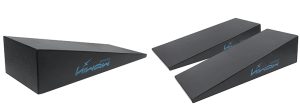
Trailer Ramp-6 Degree Approach Angle for Safer Loading Conditions

Safe and efficient loading operations are essential in industries such as construction, logistics, agriculture, automotive transport, and material handling. One of the most important factors affecting loading safety is the trailer ramp approach angle. A trailer ramp – 6 degree approach angle provides a smoother incline that helps reduce loading risks, improve equipment stability, and protect vehicles during transportation.

Compared to steep loading ramps, low-angle trailer ramps are designed to create safer loading conditions for heavy machinery, forklifts, low-clearance vehicles, and sensitive equipment. As industries continue to prioritize operational safety and equipment protection, 6 degree approach angle trailer ramps are becoming increasingly popular across commercial and industrial applications.

Why Loading Angle Matters

The ramp angle directly affects loading safety, traction, and vehicle clearance. Steeper ramps can increase the risk of:

  1. Equipment slipping
  2. Undercarriage damage
  3. Sudden movement during loading
  4. Reduced operator visibility
  5. Tire traction loss
  6. Load instability

A 6 degree approach angle helps create a more controlled loading environment while reducing these operational risks.

Benefits of Trailer Ramps – 6 Degree Approach Angle

Improved Loading Safety

A gentle ramp incline allows operators to load machinery more smoothly and safely, especially when handling heavy or delicate equipment.

Reduced Equipment Damage

Low-clearance vehicles and machinery are less likely to scrape or bottom out during loading.

Better Stability During Operation

A gradual slope improves wheel traction and reduces sudden shifts in weight distribution.

Easier Loading for Operators

Operators experience better visibility and control when navigating equipment onto trailers with a lower incline.

Suitable for Multiple Equipment Types

Trailer ramps – 6 degree approach angle support a wide range of industrial and commercial vehicles.

Applications of 6 Degree Approach Angle Trailer Ramps

Construction Industry

Construction companies use low-angle trailer ramps to transport excavators, compact loaders, rollers, and other heavy equipment safely between job sites.

Warehousing and Logistics

Forklifts and pallet-moving equipment benefit from smooth trailer access during warehouse loading operations.

Automotive Transport

Low-profile sports cars and specialty vehicles require gentle loading angles to avoid bumper or chassis damage.

Agriculture Equipment Transport

Farm machinery and utility vehicles can be loaded more safely using ramps designed for stable traction and reduced incline.

Mobile Equipment and Machinery

Scissor lifts, generators, and industrial machines are easier to transport with low-angle loading ramps.

Key Features of Modern Trailer Ramp Systems

Heavy-Duty Construction

Industrial trailer ramps are typically manufactured from reinforced steel or aluminum for high load capacity and long-term durability.

Anti-Slip Surfaces

Textured ramp surfaces improve traction and reduce slipping risks in wet or dusty environments.

Hydraulic or Foldable Ramp Options

Advanced ramp systems may include hydraulic lifting mechanisms or foldable designs for easier operation and storage.

Corrosion-Resistant Finishes

Protective coatings help trailer ramps withstand harsh outdoor conditions and heavy industrial use.

High Load Capacity

Modern trailer ramps are engineered to support heavy vehicles and industrial machinery safely.

How Low-Angle Trailer Ramps Improve Workplace Safety

Safety regulations in many industries emphasize secure loading procedures and risk reduction. Trailer ramps – 6 degree approach angle help businesses:

  1. Reduce workplace accidents
  2. Minimize equipment handling errors
  3. Improve operator confidence
  4. Enhance transportation efficiency
  5. Lower maintenance and repair costs

Safer loading conditions also contribute to reduced downtime and improved operational productivity.

Trailer ramps – 6 degree approach angle provide safer, smoother, and more efficient loading conditions for industrial and commercial transportation. Their low incline design helps protect equipment, improve stability, and reduce operational risks across a wide range of applications.

Carbon Fiber Driveshafts for High Torque Applications

High torque applications demand drivetrain components that are strong, lightweight, and capable of handling extreme rotational forces. In performance vehicles, racing cars, heavy-duty trucks, off-road machines, and industrial systems, traditional steel driveshafts are increasingly being replaced by carbon fiber driveshafts due to their superior strength-to-weight ratio and advanced vibration damping properties.

Carbon fiber driveshafts provide exceptional performance under demanding conditions while improving efficiency, reducing drivetrain stress, and enhancing vehicle dynamics. As automotive and industrial technologies continue to evolve, carbon fiber driveshafts are becoming a preferred solution for high torque environments.

Why High Torque Applications Require Advanced Driveshaft Technology

High torque systems place significant stress on drivetrain components. Traditional driveshafts may experience:

  1. Excessive vibration
  2. Shaft flexing
  3. Fatigue cracking
  4. Increased rotational inertia
  5. Reduced efficiency at high speeds

Carbon fiber driveshafts are engineered to overcome these challenges while maintaining stability and performance even under extreme torque loads.

Key Advantages of Carbon Fiber Driveshafts for High Torque Applications

Exceptional Strength-to-Weight Ratio

Carbon fiber composites provide remarkable strength while remaining significantly lighter than steel. Reduced weight lowers rotational inertia, allowing faster acceleration and improved throttle response.

This lightweight design also reduces stress on:

  • Transmissions
  • Differentials
  • Bearings
  • Suspension systems

Higher Critical Speed Performance

Critical speed refers to the rotational speed at which a driveshaft begins to vibrate excessively. Carbon fiber driveshafts typically offer higher critical speed limits than metal alternatives.

This allows:

  1. Safer high-speed operation
  2. Improved drivetrain stability
  3. Better performance in racing and high-performance vehicles

Superior Vibration Damping

One of the most valuable characteristics of carbon fiber is its natural vibration absorption capability. Unlike steel shafts, carbon fiber driveshafts can significantly reduce:

  • Harmonic vibrations
  • Drivetrain noise
  • Harshness during acceleration

This improves overall driving comfort and component longevity.

Improved Torque Handling Capability

Modern carbon fiber driveshafts are engineered using multi-layer composite structures that can handle extremely high torque outputs in:

  1. Drag racing vehicles
  2. Off-road trucks
  3. Performance sports cars
  4. Electric vehicles
  5. Industrial machinery

Advanced resin systems and fiber orientations help maximize torsional strength and durability.

Enhanced Safety in Extreme Conditions

In the event of failure, carbon fiber driveshafts tend to fragment differently from steel shafts. Instead of violently bending or penetrating surrounding components, they often disintegrate into smaller fibers, reducing potential damage and safety risks.

This safety advantage is particularly important in motorsport applications.

Applications of Carbon Fiber Driveshafts in High Torque Systems

Performance and Racing Vehicles

High horsepower sports cars and racing vehicles benefit from reduced drivetrain weight and improved power transfer efficiency.

Applications include:

  • Drag racing
  • Circuit racing
  • Drift cars
  • Time attack vehicles

Off-Road and 4×4 Trucks

Off-road vehicles often operate under high torque loads in difficult terrain conditions. Carbon fiber driveshafts improve durability while reducing overall drivetrain weight.

Benefits include:

  1. Better suspension response
  2. Reduced driveline stress
  3. Improved acceleration on rough terrain

Electric Vehicles (EVs)

Electric motors generate instant torque, placing unique stress on drivetrain systems. Carbon fiber driveshafts help manage these torque spikes efficiently.

Advantages for EVs include:

  • Lightweight energy-efficient design
  • Reduced drivetrain vibration
  • Improved vehicle range through weight reduction

Heavy-Duty Industrial Equipment

Industrial machinery using rotating power transmission systems can also benefit from carbon fiber driveshaft technology.

Common applications include:

  1. Manufacturing equipment
  2. Agricultural machinery
  3. Marine propulsion systems
  4. Aerospace engineering

Carbon fiber driveshafts offer a powerful solution for high torque applications where strength, lightweight performance, and durability are critical. Their ability to reduce rotational mass, absorb vibration, and handle extreme torque loads makes them ideal for modern performance vehicles, electric cars, off-road trucks, and industrial systems.

External Wastegates for Street Cars and Track Vehicles

Turbocharged engines have become increasingly popular in both street performance cars and professional racing vehicles. As enthusiasts and manufacturers continue pushing for higher horsepower, faster turbo response, and more precise boost control, external wastegates have become a critical component in modern turbo systems.

Benefits of External Wastegates for Street Cars

Improved Boost Stability

Street-driven turbocharged vehicles require smooth and reliable boost control during daily driving conditions.

External wastegates provide:

  1. More stable boost pressure
  2. Reduced boost spikes
  3. Better throttle response
  4. Improved drivability

This creates a more predictable and enjoyable driving experience.

Better Turbocharger Efficiency

Because external wastegates improve exhaust gas flow management, turbochargers can operate more efficiently.

Benefits include:

  • Faster spool response
  • Reduced turbo lag
  • Improved power delivery
  • Lower exhaust backpressure

These advantages are valuable for both performance tuning and fuel efficiency optimization.

Support for High-Performance Modifications

Many modified street cars use upgraded turbochargers, larger intercoolers, and aftermarket engine management systems.

External wastegates are ideal for supporting:

  1. High-boost setups
  2. Custom turbo kits
  3. Larger turbochargers
  4. Advanced tuning configurations

Their flexibility makes them popular in custom performance builds.

Advantages of External Wastegates for Track Vehicles

Precise Boost Control Under Extreme Conditions

Track vehicles operate under intense heat and high engine loads.

External wastegates offer superior boost accuracy during:

  • Continuous high-RPM driving
  • Aggressive acceleration
  • Competitive racing conditions

This improves engine consistency and race performance.

Reduced Risk of Boost Creep

Boost creep occurs when the wastegate cannot bypass enough exhaust gas, causing boost pressure to rise uncontrollably.

External wastegates typically provide:

  1. Larger valve sizes
  2. Higher exhaust flow capacity
  3. More efficient gas bypass control

This helps reduce boost creep in high-performance engines.

Enhanced Engine Reliability

Stable boost control helps protect critical engine components such as:

  • Pistons
  • Connecting rods
  • Turbochargers
  • Cylinder heads

This is especially important in racing applications where engines operate near performance limits.

External Wastegates in Different Motorsports

Drag Racing

Drag racing vehicles often use large external wastegates for rapid boost response and maximum power output.

Circuit Racing

Road racing applications require consistent boost control during extended high-speed operation.

Drifting

Drift cars benefit from responsive turbo behavior and stable power delivery.

Time Attack and Track Builds

Precision tuning and repeatable performance make external wastegates valuable in competitive track environments.

Common External Wastegate Configurations

Recirculated Wastegate Setup

Exhaust gases are redirected back into the exhaust system.

Advantages include:

  1. Lower noise levels
  2. Improved emissions compliance
  3. Better street comfort

Open Dump Wastegate Setup

Exhaust gases vent directly to the atmosphere.

Benefits include:

  • Reduced backpressure
  • Aggressive sound
  • Improved flow efficiency

This setup is more common in racing applications.

Maintenance Tips for External Wastegates

Proper maintenance improves performance and longevity.

Key maintenance practices include:

  1. Inspecting diaphragms regularly
  2. Checking valve movement
  3. Monitoring spring condition
  4. Cleaning carbon buildup
  5. Inspecting exhaust connections

Routine inspections help prevent boost control problems.

External wastegates are essential components for modern turbocharged street cars and track vehicles. By providing precise boost control, improved exhaust flow management, and enhanced turbocharger efficiency, they help maximize engine performance while protecting critical components.

Folding Trailer Ramps for Space-Saving Transport Solutions

Efficient transportation and equipment handling are essential for industries such as construction, agriculture, logistics, landscaping, and vehicle recovery. One of the most practical innovations supporting modern transport operations is the folding trailer ramp. Designed to provide convenient loading access while minimizing storage space, folding trailer ramps offer a flexible and efficient solution for transporting vehicles, machinery, and heavy equipment.

With increasing demand for portable and space-saving transport systems, folding trailer ramps have become a preferred choice for both commercial and personal applications.

Benefits of Folding Trailer Ramps

Space-Saving Design

One of the biggest advantages of folding trailer ramps is their ability to fold into compact configurations. This feature helps save storage space on trailers and in garages, warehouses, or transport vehicles.

Benefits include:

  1. Easier trailer storage
  2. Reduced transport footprint
  3. Improved equipment organization
  4. Better portability for mobile operations

Compact folding systems are ideal for businesses with limited storage capacity.

Improved Transport Efficiency

Folding trailer ramps simplify loading and unloading operations by allowing fast deployment and easy handling.

Advantages include:

  • Faster equipment loading
  • Reduced labor requirements
  • Improved operational productivity
  • Less downtime during transportation tasks

Efficient loading systems are especially important for time-sensitive industries.

Versatile Equipment Compatibility

Folding trailer ramps support a wide range of equipment and vehicles, including:

  1. ATVs and UTVs
  2. Lawn mowers
  3. Motorcycles
  4. Construction machinery
  5. Compact tractors
  6. Skid steers
  7. Wheelchairs and mobility devices

Their versatility makes them suitable for both industrial and recreational applications.

Common Applications of Folding Trailer Ramps

Construction Industry

Construction companies use folding trailer ramps to transport:

  • Mini excavators
  • Compact loaders
  • Concrete equipment
  • Utility vehicles

The portable design helps crews move equipment efficiently between job sites.

Landscaping and Lawn Care

Landscaping professionals rely on folding trailer ramps for loading:

  1. Riding lawn mowers
  2. Garden tractors
  3. Small utility vehicles
  4. Tree maintenance equipment

Compact ramps improve daily workflow and reduce setup time.

Agricultural Applications

Farm operators use folding trailer ramps to move:

  • Small tractors
  • Agricultural tools
  • Feed handling equipment
  • Utility ATVs

The foldable structure helps maximize trailer space during farming operations.

Vehicle Transportation

Car haulers and recovery services commonly use folding trailer ramps for:

  1. Motorcycle transport
  2. Car loading
  3. Emergency roadside recovery
  4. Recreational vehicle hauling

Portable ramps allow safer and more flexible vehicle transportation.

Materials Used in Folding Trailer Ramp Manufacturing

The durability and weight capacity of folding trailer ramps largely depend on the materials used in construction.

Aluminum Folding Trailer Ramps

Aluminum ramps are popular because they offer:

  • Lightweight handling
  • Corrosion resistance
  • Easy portability
  • Reduced fuel consumption during transport

They are commonly used for light- and medium-duty applications.

Steel Folding Trailer Ramps

Steel ramps provide:

  1. Higher load capacity
  2. Exceptional durability
  3. Better resistance to heavy impact

Heavy-duty industries often prefer steel folding ramps for transporting large machinery.

Composite Material Ramps

Some modern ramps incorporate advanced composite materials to improve:

  • Weight reduction
  • Structural strength
  • Weather resistance
  • Long-term durability

Composite designs are becoming increasingly popular in specialized transport systems.

Important Safety Features

Safety is critical during equipment loading and unloading operations.

Anti-Slip Surfaces

Textured surfaces improve traction and reduce slipping risks during wet or muddy conditions.

Secure Locking Mechanisms

Reliable locking systems prevent accidental ramp movement during operation.

Reinforced Hinges

Heavy-duty hinges improve structural stability and extend ramp lifespan.

Weight Capacity Ratings

Clearly labeled load ratings help operators select appropriate ramps for their equipment.

Side Rails and Stability Supports

Additional supports increase loading safety for heavy or uneven loads.

Technological Innovations in Folding Trailer Ramps

Modern folding trailer ramps now include advanced features such as:

  1. Hydraulic folding systems
  2. Adjustable ramp angles
  3. Lightweight aerospace-grade alloys
  4. Smart load sensors
  5. Quick-release attachment systems

These innovations improve both convenience and operational safety.

Folding trailer ramps provide a practical and space-saving solution for transporting vehicles, machinery, and heavy equipment across multiple industries. Their compact design, portability, safety features, and versatile applications make them an essential component of modern transport operations.

Reducing Backpressure with Proper Exhaust Y Pipe Design

Efficient exhaust flow is critical to engine performance, fuel efficiency, and overall vehicle reliability. One often overlooked component in this system is the exhaust Y pipe, which plays a key role in merging exhaust gases smoothly.

A well-designed Y pipe can significantly reduce backpressure, allowing the engine to breathe more freely and operate more efficiently.

The Function of an Exhaust Y Pipe

An exhaust Y pipe is designed to merge two exhaust streams into a single outlet or split one into two paths, depending on the system configuration.

Its main purpose is to:

  • Maintain smooth exhaust gas flow
  • Minimize turbulence
  • Balance pressure between exhaust banks
  • Optimize overall exhaust efficiency

How Proper Y Pipe Design Reduces Backpressure

1. Smooth Merge Angles

A gradual merging angle reduces turbulence and allows exhaust gases to combine efficiently. Sharp angles create flow disruption and increase resistance.

2. Mandrel Bending

Mandrel-bent pipes maintain a consistent diameter throughout the bend, preventing flow restrictions commonly found in crush-bent pipes.

3. Equal Pipe Lengths

Balanced pipe lengths ensure uniform exhaust pulses, improving scavenging and reducing pressure buildup.

4. Proper Diameter Selection

Choosing the correct pipe diameter is crucial:

  • Too small → restricts airflow
  • Too large → reduces exhaust velocity

An optimized diameter maintains a balance between flow rate and velocity.

Materials and Their Impact on Performance

Material choice also affects backpressure and durability:

  1. Stainless steel: corrosion-resistant and long-lasting
  2. Aluminized steel: cost-effective with decent durability
  3. Titanium: lightweight and excellent heat resistance

High-quality materials help maintain structural integrity under high temperatures and pressures.

Benefits of Reducing Backpressure

A properly designed exhaust Y pipe delivers several advantages:

  • Increased horsepower and torque
  • Improved fuel efficiency
  • Better throttle response
  • Lower exhaust gas temperatures
  • Enhanced engine longevity

These benefits make Y pipe optimization essential for both performance vehicles and daily drivers.

Applications in Performance and OEM Systems

Exhaust Y pipes are widely used in:

  1. Dual-to-single exhaust systems
  2. Turbocharged engines
  3. Performance exhaust upgrades
  4. OEM exhaust configurations

In high-performance setups, even small improvements in exhaust flow can lead to noticeable gains.

Installation and Design Considerations

To maximize effectiveness:

  • Ensure precise alignment with existing exhaust components
  • Avoid abrupt transitions in pipe diameter
  • Use high-quality welds to prevent internal obstructions
  • Consider pairing with performance mufflers or catalytic converters

Proper integration ensures the Y pipe performs as intended.

Reducing backpressure is essential for unlocking engine performance, and proper exhaust Y pipe design plays a vital role in achieving this goal.