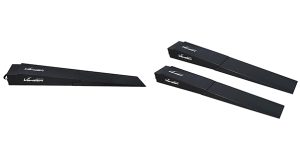
Efficient material handling is the backbone of modern logistics and industrial operations. Forklifts play a central role in moving goods, but their performance heavily depends on reliable infrastructure—especially heavy duty ramps. These ramps provide safe and stable transitions between different heights, enabling smooth loading, unloading, and transportation of materials.
Built from high-strength materials such as steel or aluminum, these ramps are engineered for durability, stability, and long-term use.
1. Importance of Ramps in Forklift Operations
Smooth Loading and Unloading
Heavy duty ramps allow forklifts to:
- Move goods between ground level and loading docks
- Access trucks, containers, and elevated platforms
- Maintain continuous workflow without interruptions
This reduces manual handling and increases operational efficiency.
Bridging Height Differences
In many facilities, uneven surfaces or varying platform heights can slow down operations. Ramps provide:
- Seamless transitions between levels
- Reduced strain on equipment
- Improved maneuverability for forklifts

2. Key Features of Heavy Duty Forklift Ramps
High Load Capacity
Forklift ramps must support significant weight, including:
- The forklift itself
- Loaded pallets or materials
High load ratings ensure safe and reliable operation.
Anti-Slip Surface Design
Safety is critical in material handling. Most ramps include:
- Serrated or textured surfaces
- Anti-slip coatings
These features prevent accidents, especially in wet or dusty environments.
Durable Construction Materials
Common materials include:
- Steel ramps for maximum strength and durability
- Aluminum ramps for lightweight and corrosion resistance
The choice depends on application needs and environmental conditions.
Portable and Modular Designs
Modern ramps often feature:
- Portable configurations for flexible use
- Modular components for customized setups
This adaptability makes them suitable for dynamic work environments.
3. Applications in Material Handling
Warehousing and Distribution
- Loading and unloading delivery trucks
- Moving goods between storage levels
- Supporting high-volume logistics operations
Manufacturing Facilities
- Transporting raw materials and finished products
- Integrating with production lines
Construction and Industrial Sites
- Handling heavy equipment and materials
- Providing temporary access solutions
4. Safety Considerations
Proper Ramp Selection
Choose ramps based on:
- Load capacity requirements
- Ramp length and incline
- Surface conditions
Secure Installation
Ensure ramps are:
- Properly aligned with loading areas
- Secured to prevent movement
- Regularly inspected for wear and damage
5. Benefits of Using Heavy Duty Ramps
Increased Efficiency
Ramps streamline loading processes, reducing downtime and labor costs.
Enhanced Safety
Stable and secure ramps minimize the risk of accidents and equipment damage.
Cost Savings
Durable ramps reduce maintenance costs and extend equipment lifespan.
Operational Flexibility
Portable ramps allow businesses to adapt quickly to changing logistics needs.
6. Maintenance Tips for Long-Term Performance
To ensure durability and safety:
- Conduct regular inspections for cracks or deformation
- Clean surfaces to maintain anti-slip properties
- Protect against corrosion with proper coatings
- Store portable ramps in dry conditions when not in use
Heavy duty ramps are essential components in forklift operations and material handling systems. By providing safe, efficient, and flexible access between different levels, they significantly enhance productivity in industrial environments.