
Silicone Vacuum Tubes in Automotive and Mechanical Engineering

Silicone vacuum tubes play a crucial role in modern automotive and mechanical engineering systems where reliability, temperature resistance, and flexibility are essential. From engine vacuum lines to precision mechanical assemblies, silicone tubing has become a preferred material due to its stable performance under extreme operating conditions.

Why Silicone Vacuum Tubes Are Used in Engineering Systems

Silicone vacuum tubes offer a combination of properties that make them ideal for demanding environments:

  • High temperature resistance (both hot and cold extremes)
  • Excellent flexibility and elasticity
  • Strong resistance to aging and UV exposure
  • Chemical stability under vacuum conditions
  • Long service life with minimal deformation

These advantages make them widely used in both automotive and mechanical engineering applications.

Applications in Automotive Engineering

1.Engine Vacuum Systems

Silicone vacuum tubes are commonly used in engine control systems to maintain consistent vacuum pressure for sensors, actuators, and emission control devices.

2.Turbocharging and Air Management

In turbocharged engines, silicone tubing helps manage air pressure and vacuum balance between components, ensuring stable engine performance.

3.Brake and Control Systems

Vacuum-assisted braking systems rely on durable tubing to ensure safe and responsive operation under varying temperature and pressure conditions.

Cooling and Fluid Transfer Support

Although not always directly carrying coolant, silicone vacuum tubes support auxiliary fluid and air routing in engine compartments.

Applications in Mechanical Engineering

1.Industrial Vacuum Systems

Mechanical engineering systems often use vacuum tubing for material handling, suction equipment, and automation systems.

2.Precision Equipment

Silicone vacuum tubes are used in laboratory machines, CNC equipment, and precision manufacturing systems requiring stable vacuum environments.

3.Pneumatic and Control Systems

They support airflow regulation in pneumatic circuits used in robotics and automated machinery.

Key Advantages in Engineering Use

Silicone vacuum tubes provide several engineering benefits:

  • Stable performance under thermal stress
  • Reduced risk of cracking or hardening over time
  • Compatibility with complex mechanical layouts
  • Improved system efficiency and reliability
  • Reduced maintenance frequency

Silicone vacuum tubes have become an essential component in both automotive and mechanical engineering due to their durability, thermal stability, and adaptability. Their role in vacuum systems, airflow control, and precision machinery continues to expand as engineering systems become more advanced and performance-driven.

If you want, I can also turn this into a high-ranking SEO article (2000+ words) or generate internal linking structure + keyword clusters for your website.
How Silicone Vacuum Tube Improves Industrial Vacuum Performance

Industrial vacuum systems are widely used in manufacturing, chemical processing, medical equipment, and laboratory environments. The efficiency and stability of these systems depend heavily on the quality of their tube materials.

Silicone vacuum tube has become a preferred solution due to its flexibility, durability, and resistance to extreme operating conditions.


Improving Vacuum Seal Integrity

One of the most important roles of silicone vacuum tube is maintaining a stable vacuum seal.

How it helps:

  • Forms tight connections with fittings and connectors
  • Reduces air leakage risk
  • Maintains consistent negative pressure levels

Unlike rigid or brittle tube materials, silicone can adapt to slight misalignments in connectors, ensuring a more reliable sealing performance in complex systems.


Enhancing Flexibility in Industrial Systems

Industrial vacuum systems often involve tight spaces, moving parts, and complex routing paths.

Advantages of silicone tube flexibility:

  • Easy installation in confined spaces
  • Reduced stress on connectors and joints
  • Ability to bend without cracking or collapsing
  • Suitable for dynamic or vibration-prone systems

This flexibility helps maintain uninterrupted vacuum flow and reduces mechanical failure risks.


High Temperature and Pressure Resistance

Industrial vacuum environments may involve high temperatures or fluctuating thermal conditions.

Silicone vacuum tube benefits:

  • Stable performance from low to high temperatures
  • Resistance to thermal deformation
  • Maintains elasticity under heat stress

This ensures that vacuum systems continue operating efficiently even in harsh industrial conditions such as production lines, heat treatment systems, or chemical processing units.


Chemical and Environmental Resistance

Silicone tube is known for its excellent resistance to environmental and chemical exposure.

Key protections include:

  • Resistance to moisture and humidity
  • Stability against oxidation and aging
  • Compatibility with many industrial gases
  • Reduced degradation in corrosive environments

This improves system longevity and reduces maintenance frequency.


Improving Flow Stability in Vacuum Systems

Consistent airflow is essential for maintaining vacuum efficiency.

Silicone vacuum tube helps by:

  • Providing smooth internal surfaces for airflow
  • Minimizing turbulence and resistance
  • Maintaining consistent diameter under pressure changes

This leads to improved vacuum pump efficiency and more stable system performance overall.


Reducing Maintenance and Downtime

System reliability directly impacts production efficiency.

Silicone tube advantages:

  • Longer service life compared to rubber or PVC alternatives
  • Reduced cracking and material fatigue
  • Fewer replacement cycles
  • Lower risk of unexpected system failures

As a result, industries benefit from reduced downtime and lower operational costs.


Applications in Industrial Vacuum Systems

Silicone vacuum tube is widely used across multiple industries:

Manufacturing:

  • Automated production lines
  • Material handling vacuum systems
  • Packaging equipment

Laboratory & Research:

  • Vacuum filtration systems
  • Chemical processing equipment

Medical Industry:

  • Suction and fluid control systems
  • Diagnostic vacuum devices

Electronics & Semiconductor:

  • Cleanroom vacuum systems
  • Precision component handling

Comparison with Traditional Tube Materials

Compared to rubber or PVC tube, silicone vacuum tube offers:

  • Better temperature resistance
  • Longer operational lifespan
  • Greater flexibility
  • Improved chemical stability
  • More reliable vacuum sealing

These advantages make it a preferred choice for high-performance industrial systems.


Silicone vacuum tube plays a crucial role in improving industrial vacuum system performance. Its combination of flexibility, thermal stability, chemical resistance, and sealing reliability makes it an essential component in modern industrial applications.

Silicone vacuum tube

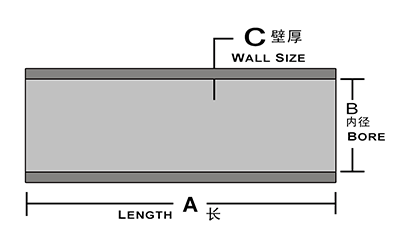
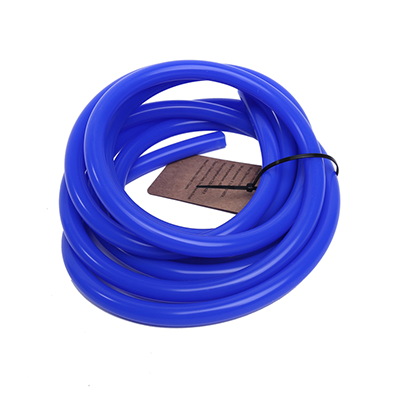
Silicone vacuum tube is designed for vacuum advance, windshield washer fluid, transmission modulator, and emission control. Available in sizes from BoreXWall 1/8”X5/64”, 5/32”X5/64”,  3/16”X3/32”,  1/4”X3/32”, 5/16”X1/8” to 3/8”X1/8”.

Silicone is resistant to hardening, cracking, ozone attack, sunlight, moisture, steam, dust, aging, various pressure ranges, and to many chemicals too. Additional advantages of Silicone are it is easier to install and run than ridged pipe, is not subject to corrosion, stress, or cracking, and it absorbs engine movement and vibration.

Features and Benefits of Silicone Hose:

-Resistant to a wide range of temperatures

-Resistant to hardening, cracking, ozone attack, sunlight

-Resistant to moisture, steam, dust, aging, various pressure ranges

-Resistant to many chemicals

-Retains flexibility in hostile engine environments

-Excellent electrical insulating properties

-Longer life than EPDM (Black Rubber)