
Warehouse operations depend on the efficient movement of goods, vehicles, machinery, and material-handling equipment. Differences in floor levels, loading areas, docks, and entrances can create obstacles that slow down daily operations.
By improving access between loading zones, storage areas, and workspaces, heavy duty ramps can contribute to more efficient and flexible warehouse operations.
Heavy Duty Ramps for Loading and Unloading Operations
Loading and unloading are among the most important activities in warehouse logistics.
Truck-to-Warehouse Access
A heavy duty ramp can provide a transition between a truck, trailer, container, and warehouse surface where appropriate.
Container Loading
Container ramps can help workers and equipment move goods into and out of shipping containers.
Supporting Different Vehicle Heights
Warehouses may receive trucks and trailers with different loading heights. Selecting an appropriate ramp system can improve access across these variations.
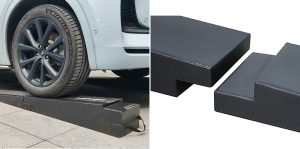
Improving Warehouse Safety with Heavy Duty Ramps
Accessibility and safety are closely connected.
Stable Ramp Construction
A heavy duty ramp should have sufficient structural strength and a stable connection to the surfaces it serves.
Adequate Traction
A suitable ramp surface can help reduce the risk of slipping, particularly in environments where moisture, dust, or debris may be present.
Appropriate Load Capacity
Load capacity is one of the most important specifications when selecting a heavy duty ramp.
The total load should account for:
- Equipment weight
- Cargo weight
- Load distribution
- Dynamic forces during movement
Using a ramp beyond its rated capacity can create serious safety risks.
Heavy Duty Ramps and Material Handling Efficiency
Efficient material handling helps warehouses reduce unnecessary movement and labor.
Reducing Manual Lifting
Ramps can allow wheeled equipment to transport materials across level changes instead of requiring workers to manually lift heavy items.
Supporting Faster Equipment Movement
When access routes are properly designed, equipment can move more directly between operational areas.
Improving Workflow
Better accessibility can help connect key warehouse processes, including:
Receiving → Storage → Picking → Packing → Shipping
This can contribute to a smoother material flow.
Applications of Heavy Duty Ramps in Warehouses
Distribution Centers
Large distribution centers can use heavy duty ramps to support frequent loading and unloading operations.
Manufacturing Warehouses
Manufacturing facilities may use ramps to move machinery, components, and finished products between production and storage areas.
E-Commerce Fulfillment Centers
Fast-moving fulfillment operations can benefit from efficient movement between receiving, storage, packing, and shipping zones.
Industrial Storage Facilities
Heavy duty ramps can provide access for industrial equipment and large materials in demanding warehouse environments.
Heavy Duty Ramps and Modern Warehouse Efficiency
Modern warehouses increasingly focus on automation, flexible layouts, and faster material movement. Accessibility infrastructure plays an important supporting role in these systems.
Heavy duty ramps can complement:
- Forklift operations
- Pallet handling
- Warehouse carts
- Loading equipment
- Mobile machinery
- Flexible warehouse layouts
By improving physical access between different operating zones, ramps can help warehouses make better use of their available space.
Heavy duty ramps can significantly improve warehouse accessibility by creating stable transitions between different heights, loading areas, containers, vehicles, and warehouse floors. They can simplify equipment movement, support material handling, and improve the efficiency of loading and unloading operations.