
Safety Features Every Customizable Trailer Step Ramp Should Include

Loading and unloading equipment, vehicles, and materials can be one of the most hazardous aspects of transportation and logistics operations. Whether used in construction, agriculture, landscaping, manufacturing, or equipment rental industries, a customizable trailer step ramp must be designed with safety as a top priority.

A properly engineered ramp not only improves efficiency but also helps reduce workplace accidents, equipment damage, and costly downtime. By incorporating essential safety features into the design, businesses can create a safer working environment while maximizing operational performance.


Anti-Slip Surface Technology

Maintaining Traction in All Conditions

One of the most important safety features is a high-traction surface.

Trailer ramps are often exposed to:

  • Rain
  • Mud
  • Snow
  • Oil
  • Dust
  • Agricultural debris

Without adequate traction, equipment and personnel can lose footing during loading.

Common Anti-Slip Surface Options

  • Serrated steel grating
  • Expanded metal decking
  • Perforated traction surfaces
  • Diamond-pattern tread plates

These surface treatments help maintain grip and reduce the likelihood of slips and accidents.

Benefits

  • Improved operator safety
  • Better equipment control
  • Enhanced performance in adverse weather
  • Reduced risk of loading incidents

Side Rails and Edge Protection

Additional Guidance During Loading

Side rails provide an important safety barrier, especially when loading narrow-wheelbase equipment.

Common applications include:

  • Utility vehicles
  • Lawn equipment
  • Small tractors
  • Material handling carts

Benefits

  • Prevents wheel drop-off
  • Improves equipment alignment
  • Enhances operator visibility
  • Increases loading accuracy

Customizable trailer step ramps can be equipped with side rails tailored to specific equipment requirements.


Optimized Ramp Angle

Safer Equipment Access

Ramp angle significantly affects loading safety.

Excessively steep ramps can lead to:

  • Loss of traction
  • Equipment instability
  • Undercarriage damage
  • Increased rollover risk

By customizing ramp length and height, operators can achieve a safer incline that supports smoother loading and unloading.

Benefits

  • Improved stability
  • Better traction
  • Reduced equipment wear
  • Enhanced operator control

Corrosion-Resistant Materials and Finishes

Long-Term Safety and Durability

Outdoor environments expose trailer ramps to moisture, chemicals, and temperature fluctuations.

Protective finishes may include:

  • Hot-dip galvanization
  • Powder coating
  • Zinc plating
  • Marine-grade aluminum construction

Benefits

  • Reduced corrosion
  • Extended service life
  • Lower maintenance requirements
  • Consistent structural integrity

Corrosion resistance is particularly important for agricultural, marine, and construction applications.


Stable Ground Contact Design

Supporting Safe Operation

The ramp should maintain firm contact with the ground during loading.

Features that improve stability include:

  • Wide support feet
  • Reinforced footplates
  • Ground-grip surfaces
  • Adjustable support legs

Benefits

  • Reduced shifting
  • Improved balance
  • Better load distribution
  • Enhanced user safety

Visibility and Safety Markings

Promoting Safe Usage

Clear visual indicators help operators use the ramp correctly.

Recommended markings include:

  • Load capacity labels
  • Reflective strips
  • Warning decals
  • Safety instructions
  • Edge visibility markings

Benefits

  • Increased awareness
  • Improved compliance
  • Faster operator training
  • Reduced misuse

Smooth Transition Zones

Reducing Impact and Equipment Stress

The transition between the ramp and trailer should be as smooth as possible.

Poor transitions can cause:

  • Equipment jolts
  • Tire slippage
  • Material shifting
  • Structural stress

Custom transition plates help create a seamless loading path.

Benefits

  • Easier equipment movement
  • Reduced wear and tear
  • Improved loading efficiency
  • Enhanced safety

Maintenance Considerations for Continued Safety

Even the safest ramp design requires regular inspection and maintenance.

Routine Inspection Checklist

  • Check for structural cracks
  • Inspect welds and fasteners
  • Verify attachment systems
  • Examine traction surfaces
  • Remove debris buildup
  • Monitor corrosion levels

Preventive maintenance helps ensure the ramp continues to perform safely over time.


A customizable trailer step ramp is much more than a loading accessory—it is a critical safety component for transportation, logistics, construction, agriculture, and industrial operations. Features such as anti-slip surfaces, reinforced construction, secure attachment systems, proper load ratings, edge protection, corrosion resistance, and customized dimensions all contribute to safer and more reliable performance.

By prioritizing these essential safety features, businesses can reduce workplace risks, protect valuable equipment, improve operational efficiency, and maximize the long-term value of their trailer ramp investment. A well-designed customizable trailer step ramp not only enhances productivity but also creates a safer environment for every loading operation.
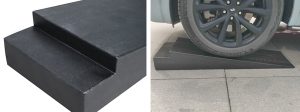

Enhancing Loading Efficiency with Customizable Trailer Step Ramps

In the world of transportation and logistics, efficiency is everything. One small improvement can make a huge difference in loading and unloading times, safety, and overall operational workflow. That’s where customizable trailer step ramps come into play. By adapting ramps to specific trailers, vehicles, and loads, businesses can optimize efficiency while maintaining safety and durability.

Why Loading Efficiency Matters

Time is money, especially in industries like logistics, construction, and agriculture. Every minute spent maneuvering heavy equipment or awkward loads can add up. Traditional, one-size-fits-all ramps often fall short: they may not match the trailer’s height perfectly, be too heavy to deploy easily, or lack the durability needed for repeated use. These inefficiencies can slow down operations and even pose safety hazards.

The Advantages of Customizable Step Ramps

    • Tailored Fit

Customizable ramps are designed to match the exact height, width, and load capacity requirements of your trailer. This precise fit reduces the risk of misalignment, preventing accidents and equipment damage.

    • Adjustable Load Handling

Whether you’re moving motorcycles, lawn equipment, ATVs, or heavy machinery, adjustable ramps can be modified to accommodate various load types. This flexibility ensures smooth transitions between different vehicles and cargo types.

    • Material Durability

Custom ramps often use high-strength aluminum or steel alloys, providing longevity even under heavy use. Some designs also incorporate anti-slip surfaces for added safety during wet or uneven conditions.

    • Enhanced Mobility and Storage

Many customizable step ramps are foldable or telescopic, making them easy to store and transport. This convenience reduces setup time and keeps the worksite organized.

Practical Applications

  • Construction Sites: Moving small vehicles, wheelbarrows, and materials quickly on and off trailers.
  • Agriculture: Loading tractors, ATVs, or harvest equipment efficiently.
  • Recreational Vehicles: Transporting motorcycles, ATVs, or snowmobiles safely and quickly.
  • Logistics and Delivery: Fast loading and unloading of goods in warehouses or delivery vehicles.

Tips for Selecting the Right Custom Ramp

  1. Know Your Load Capacity: Ensure the ramp supports the heaviest item you plan to load.
  2. Check Dimensions: Match the ramp width and length to your trailer’s specifications.
  3. Consider Material: Aluminum ramps are lightweight, while steel ramps offer maximum strength.
  4. Look for Adjustable Features: Telescopic or foldable ramps provide versatility for multiple uses.
  5. Prioritize Safety: Anti-slip surfaces and secure locking mechanisms are essential.

Customizable trailer step ramps are more than just accessories—they’re a productivity booster. By choosing ramps that fit your exact needs, you can enhance loading efficiency, improve safety, and extend the lifespan of both your trailer and your equipment. Investing in the right step ramp is a small change with a significant impact on daily operations.

Customizable Trailer Step Ramps for Easy Loading and Unloading

Loading and unloading cargo from a trailer can be a challenging task, especially when dealing with heavy or awkward items. Standard ramps often fail to provide the flexibility, safety, and convenience that professionals and hobbyists need. This is where customizable trailer step ramps come into play, offering a tailored solution that simplifies every aspect of loading.

Why Customizable Trailer Step Ramps Matter

Not all trailers, vehicles, or loads are created equal. Traditional ramps may be too short, too steep, or not strong enough for certain applications. Customizable ramps allow you to adjust length, width, angle, and weight capacity to perfectly fit your trailer and your cargo. This ensures a smoother, safer, and faster loading process.

Key Features of Customizable Trailer Step Ramps

1. Adjustable Length and Width
Adapt your ramp to different trailer sizes, making it compatible with motorcycles, ATVs, lawn equipment, or industrial machinery.

2. Enhanced Safety Features
Anti-slip surfaces, reinforced steps, and optional side rails prevent accidents and improve stability during loading and unloading.

3. Durable Materials
High-quality steel or aluminum construction ensures long-lasting performance even under heavy loads and harsh conditions.

4. Portability and Storage
Many customizable ramps are lightweight or foldable, making them easy to transport and store when not in use.

5. Versatile Applications
Ideal for motorsports teams, event logistics, construction sites, or personal recreational use.

Benefits of Using Customizable Ramps

  • Efficiency: Reduce loading time with ramps designed for your exact needs.
  • Safety: Minimize the risk of injury thanks to optimized incline and sturdy materials.
  • Durability: Invest once in a ramp that withstands repeated heavy use.
  • Flexibility: Adjust the ramp for different vehicles and cargo types as needed.

Choosing the Right Customizable Trailer Step Ramp

When selecting a ramp, consider the following:

  1. Maximum load capacity required
  2. Trailer height and length
  3. Material preferences (aluminum vs. steel)
  4. Portability requirements
  5. Optional safety features like side rails or anti-slip coating

Customizable trailer step ramps are more than just an accessory—they’re a practical investment that enhances efficiency, safety, and convenience for anyone who regularly loads and unloads trailers.

Whether you’re managing a motorsport team, handling construction equipment, or simply transporting recreational vehicles, a customizable trailer step ramp can transform the way you load and unload. By providing flexibility, strength, and safety, these ramps ensure a seamless experience every time.