
As the global population ages, more seniors are choosing to remain in their own homes rather than relocate to assisted living facilities. This concept, commonly known as aging in place, allows older adults to maintain independence, comfort, and familiarity while continuing to live safely in their existing environments.
However, mobility challenges can make everyday tasks difficult and increase the risk of falls and injuries. Portable wheelchair ramps offer a practical and cost-effective solution by improving accessibility throughout the home and surrounding property. Whether used for wheelchairs, mobility scooters, walkers, or caregivers assisting loved ones, portable ramps help create a safer and more accessible living environment.
Benefits of Portable Wheelchair Ramps for Aging in Place
Enhanced Independence
Portable ramps enable seniors to enter and exit their homes more easily without relying on assistance from family members or caregivers.
Improved accessibility allows individuals to maintain daily routines and enjoy greater personal freedom.
Improved Safety
Falls remain one of the leading causes of injury among older adults.
Portable wheelchair ramps help reduce risks by providing smooth transitions over steps, thresholds, and uneven surfaces.
Safety features often include:
- Slip-resistant surfaces
- Raised side rails
- Stable support structures
- Durable construction materials
Cost-Effective Accessibility Solution
Compared with permanent renovations, portable ramps offer a more affordable option for improving mobility.
Many installations require minimal setup and can be used immediately after delivery.
Flexible and Adaptable Design
Portable ramps can be relocated as mobility needs change.
They are suitable for:
- Temporary recovery periods
- Long-term accessibility needs
- Multi-location use
- Rental properties
- Travel applications
Support for Caregivers
Caregivers benefit from easier movement of wheelchairs, walkers, and medical equipment, reducing physical strain during daily assistance.
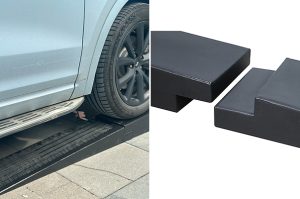
Common Applications Around the Home
Front Entrance Access
Front door steps are among the most common barriers for seniors using mobility devices.
Portable ramps provide safe entry and exit while preserving independence.
Garage and Side Door Entry
Many homeowners regularly use side entrances or garages. Portable ramps ensure these access points remain convenient and accessible.
Threshold Transitions
Even small height differences between rooms can create difficulties for wheelchair users and individuals with limited mobility.
Threshold ramps help create smooth indoor movement.
Outdoor Living Areas
Patios, decks, gardens, and walkways are important spaces for recreation and relaxation.
Portable wheelchair ramps make these areas more accessible and enjoyable.
Vehicle Access
Portable ramps can assist with entering mobility vans, transport vehicles, and other accessible transportation options.
Features to Consider When Choosing a Portable Wheelchair Ramp
Ramp Length and Slope
Selecting the appropriate ramp length is essential for safe operation.
A gradual incline improves comfort and maneuverability for wheelchair users and caregivers.
Weight Capacity
Ensure the ramp can safely support:
- Manual wheelchairs
- Power wheelchairs
- Mobility scooters
- Occupant weight
- Caregiver assistance when necessary
Material Construction
Popular materials include:
Aluminum
- Lightweight
- Rust-resistant
- Durable
- Easy to transport
Steel
- High strength
- Suitable for heavier loads
- Long-lasting performance
Folding and Storage Capability
Foldable designs improve portability and allow convenient storage when not in use.
Surface Traction
Slip-resistant surfaces help maintain stability in wet or outdoor conditions.
How Portable Wheelchair Ramps Support Aging-in-Place Goals
Portable wheelchair ramps directly contribute to several important aging-in-place objectives:
Maintaining Independence
Accessible entrances and pathways reduce reliance on outside assistance.
Supporting Active Lifestyles
Improved mobility encourages participation in community activities, family gatherings, and outdoor recreation.
Reducing Injury Risks
Safer movement throughout the home helps prevent falls and related injuries.
Delaying Institutional Care
Accessibility improvements often enable seniors to remain at home longer before requiring assisted living arrangements.
Portable wheelchair ramps have become an essential component of modern aging-in-place strategies. By eliminating mobility barriers and improving accessibility throughout the home, these ramps help seniors maintain independence, safety, and quality of life.
Whether addressing entrance steps, interior thresholds, outdoor spaces, or vehicle access, portable wheelchair ramps provide a practical and affordable solution for changing mobility needs. For families, caregivers, and healthcare professionals, investing in the right ramp system can play a significant role in creating a safer and more accessible living environment that supports successful aging in place for years to come.