
Safe and efficient loading operations are essential in industries such as construction, logistics, agriculture, automotive transport, and material handling. One of the most important factors affecting loading safety is the trailer ramp approach angle. A trailer ramp – 6 degree approach angle provides a smoother incline that helps reduce loading risks, improve equipment stability, and protect vehicles during transportation.
Compared to steep loading ramps, low-angle trailer ramps are designed to create safer loading conditions for heavy machinery, forklifts, low-clearance vehicles, and sensitive equipment. As industries continue to prioritize operational safety and equipment protection, 6 degree approach angle trailer ramps are becoming increasingly popular across commercial and industrial applications.
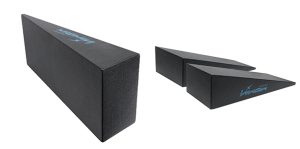
Why Loading Angle Matters
The ramp angle directly affects loading safety, traction, and vehicle clearance. Steeper ramps can increase the risk of:
- Equipment slipping
- Undercarriage damage
- Sudden movement during loading
- Reduced operator visibility
- Tire traction loss
- Load instability
A 6 degree approach angle helps create a more controlled loading environment while reducing these operational risks.
Benefits of Trailer Ramps – 6 Degree Approach Angle
Improved Loading Safety
A gentle ramp incline allows operators to load machinery more smoothly and safely, especially when handling heavy or delicate equipment.
Reduced Equipment Damage
Low-clearance vehicles and machinery are less likely to scrape or bottom out during loading.
Better Stability During Operation
A gradual slope improves wheel traction and reduces sudden shifts in weight distribution.
Easier Loading for Operators
Operators experience better visibility and control when navigating equipment onto trailers with a lower incline.
Suitable for Multiple Equipment Types
Trailer ramps – 6 degree approach angle support a wide range of industrial and commercial vehicles.
Applications of 6 Degree Approach Angle Trailer Ramps
Construction Industry
Construction companies use low-angle trailer ramps to transport excavators, compact loaders, rollers, and other heavy equipment safely between job sites.
Warehousing and Logistics
Forklifts and pallet-moving equipment benefit from smooth trailer access during warehouse loading operations.
Automotive Transport
Low-profile sports cars and specialty vehicles require gentle loading angles to avoid bumper or chassis damage.
Agriculture Equipment Transport
Farm machinery and utility vehicles can be loaded more safely using ramps designed for stable traction and reduced incline.
Mobile Equipment and Machinery
Scissor lifts, generators, and industrial machines are easier to transport with low-angle loading ramps.
Key Features of Modern Trailer Ramp Systems
Heavy-Duty Construction
Industrial trailer ramps are typically manufactured from reinforced steel or aluminum for high load capacity and long-term durability.
Anti-Slip Surfaces
Textured ramp surfaces improve traction and reduce slipping risks in wet or dusty environments.
Hydraulic or Foldable Ramp Options
Advanced ramp systems may include hydraulic lifting mechanisms or foldable designs for easier operation and storage.
Corrosion-Resistant Finishes
Protective coatings help trailer ramps withstand harsh outdoor conditions and heavy industrial use.
High Load Capacity
Modern trailer ramps are engineered to support heavy vehicles and industrial machinery safely.
How Low-Angle Trailer Ramps Improve Workplace Safety
Safety regulations in many industries emphasize secure loading procedures and risk reduction. Trailer ramps – 6 degree approach angle help businesses:
- Reduce workplace accidents
- Minimize equipment handling errors
- Improve operator confidence
- Enhance transportation efficiency
- Lower maintenance and repair costs
Safer loading conditions also contribute to reduced downtime and improved operational productivity.
Trailer ramps – 6 degree approach angle provide safer, smoother, and more efficient loading conditions for industrial and commercial transportation. Their low incline design helps protect equipment, improve stability, and reduce operational risks across a wide range of applications.